
When I first read that hibiscus tea could lower blood pressure, I assumed it was the usual herbal medicine exaggeration. Then I looked at the actual studies — randomized controlled trials published in respected cardiology journals, not just observational data or folk medicine claims. Hibiscus has some of the most compelling evidence of any herbal intervention for blood pressure, and the effect sizes aren’t trivial.
What the Research Shows
A 2010 study published in the Journal of Nutrition from Tufts University found that drinking 3 cups of hibiscus tea daily for 6 weeks lowered systolic blood pressure by an average of 7.2 mmHg in pre-hypertensive and mildly hypertensive adults compared to placebo. That’s a clinically meaningful reduction — comparable to some first-line blood pressure medications.
A meta-analysis in the Journal of Hypertension pooled data from multiple trials and confirmed a significant reduction in both systolic blood pressure (average -7.6 mmHg) and diastolic blood pressure (average -3.5 mmHg). The effects were most pronounced in people with mildly elevated blood pressure.
To put those numbers in perspective: a sustained 5 mmHg reduction in systolic blood pressure is associated with roughly a 14% reduction in stroke risk and a 9% reduction in heart disease risk at the population level. These aren’t small numbers.
Compared to black tea’s blood pressure effects (2-3 mmHg reduction), hibiscus appears to be roughly twice as effective — though direct head-to-head comparisons are limited.
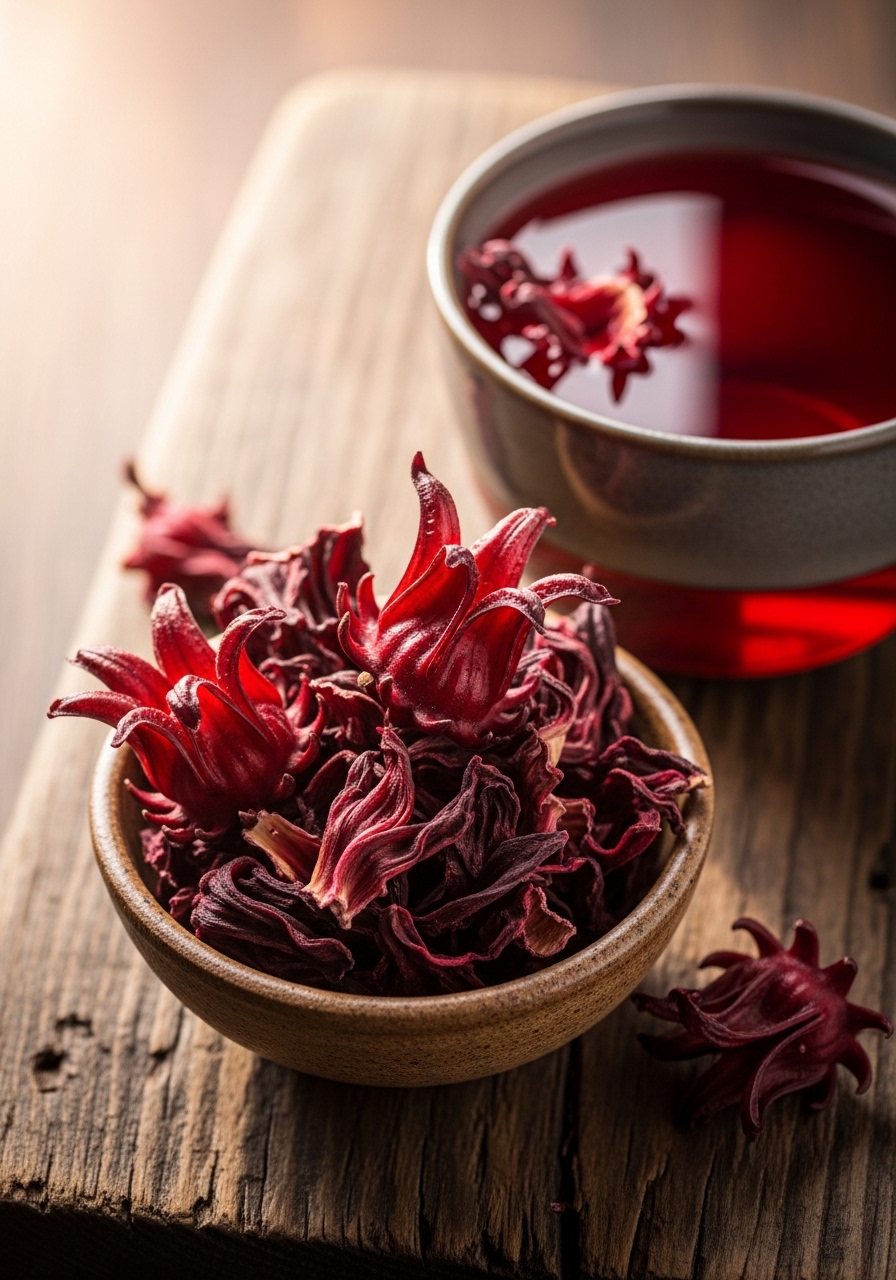
How Hibiscus Works on Blood Pressure
ACE inhibition. Hibiscus contains anthocyanins and other polyphenols that act as natural ACE (angiotensin-converting enzyme) inhibitors. ACE inhibitors are one of the most common classes of blood pressure medication — drugs like lisinopril and enalapril work on the same pathway. Hibiscus’s effect is milder than prescription ACE inhibitors, but the mechanism is real and well-documented.
Vasodilation. The polyphenols in hibiscus promote nitric oxide production, which relaxes and widens blood vessels. Wider blood vessels mean lower resistance and lower pressure.
Diuretic effect. Hibiscus tea has a mild natural diuretic effect, helping the body excrete excess sodium and water. This reduces blood volume, which contributes to lower pressure. Unlike pharmaceutical diuretics, hibiscus doesn’t appear to deplete potassium.
How to Brew Hibiscus Tea for Blood Pressure
The studies showing blood pressure benefits typically used the equivalent of 1.5-3 grams of dried hibiscus steeped in hot water, consumed 3 times daily. Here’s my method:
Hot brewing:
- Use 1.5-2 teaspoons of dried hibiscus flowers per cup
- Pour boiling water (212°F / 100°C) — hibiscus is robust and handles full boiling
- Steep 5-10 minutes. Longer steeping produces a more tart, intensely red brew
- Strain. Add honey if the tartness is too strong — the flavor is similar to cranberry
Iced hibiscus (my preferred method in warm weather):
- Steep 3 tablespoons of dried hibiscus in 1 liter of boiling water for 15 minutes
- Strain, add a tablespoon of honey while still warm
- Cool to room temperature, then refrigerate
- Serve over ice with a squeeze of lemon or lime
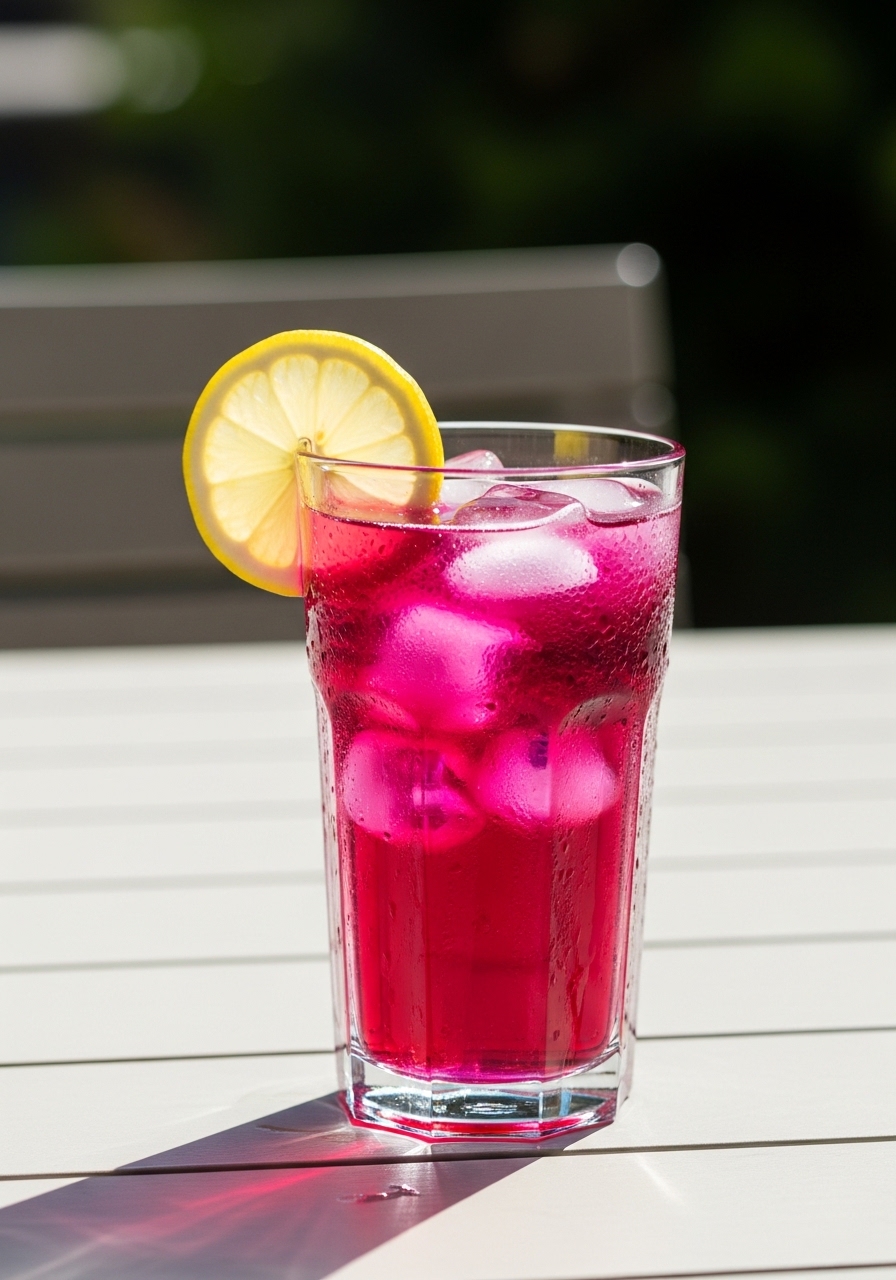
The iced version is genuinely delicious — tart, refreshing, and a stunning deep pink-red color. In many Latin American and Caribbean countries, iced hibiscus (known as agua de jamaica) is a common everyday drink.
Important Caveats
If you already take blood pressure medication: Talk to your doctor before adding daily hibiscus tea. Because it works through similar mechanisms (ACE inhibition), combining it with prescription ACE inhibitors could lower your blood pressure too much. Your doctor may want to monitor your levels more closely or adjust your medication.
If your blood pressure is already low: Hibiscus can potentially drop it further. If you’re naturally hypotensive or experience dizziness when standing, be cautious with daily hibiscus consumption.
Pregnancy: Hibiscus is generally not recommended during pregnancy. Some animal studies suggest it may have emmenagogue effects (stimulating menstruation), and the blood pressure lowering could be problematic. Avoid it if pregnant or trying to conceive.
Medication interactions: Besides ACE inhibitors, hibiscus may interact with hydrochlorothiazide (a common diuretic) and some diabetes medications. If you take any prescription medication, mention your hibiscus tea habit to your pharmacist or doctor.
FAQ
How long does it take for hibiscus tea to lower blood pressure?
Studies show measurable effects within 2-6 weeks of daily consumption (3 cups per day). Some people notice effects sooner, but the clinical trials measured outcomes at the 6-week mark. Consistency matters more than any single cup.
Is hibiscus tea better than blood pressure medication?
No — for moderate to severe hypertension (consistently above 140/90), medication is more effective and more reliable. Hibiscus is best for people with mildly elevated blood pressure (120-139 systolic) who are trying lifestyle modifications before or alongside medication. Never stop prescribed medication in favor of hibiscus tea without your doctor’s guidance.
Can I drink hibiscus tea if I take statins?
Hibiscus doesn’t have known significant interactions with statin medications. However, since both hibiscus and statins can affect liver enzymes, mention your hibiscus consumption to your doctor, especially if you’re on high-dose statins.
Does the quality of hibiscus matter?
Yes. Whole dried hibiscus flowers (Hibiscus sabdariffa specifically) produce the best results. Tea bags labeled “hibiscus” may contain a blend with minimal actual hibiscus. For blood pressure benefits, use pure dried hibiscus flowers — they’re inexpensive and widely available at health food stores, Latin American markets, or online.
Three cups a day is a reasonable commitment, and the evidence is strong enough that I’d suggest it to anyone with borderline blood pressure who’s looking for evidence-based natural approaches alongside diet and exercise. The flavor takes a moment to adjust to if you’re not used to tart drinks, but with a touch of honey and some ice, it becomes something you actually look forward to.