
When I found out a close friend was pregnant, one of her first questions was whether she could keep drinking her nightly chamomile tea. It’s a question that comes up constantly — and the answer isn’t as simple as “yes” or “no.” Some herbal teas are genuinely helpful during pregnancy, some are fine in moderation, and a few should be avoided entirely.
Here’s what the research actually says, without the vague “consult your doctor” hedging that makes most pregnancy tea articles useless.
Important: This article is for informational purposes only and does not replace medical advice. Every pregnancy is different. Talk to your midwife or OB-GYN before adding any herbal tea to your routine, especially if you have a high-risk pregnancy or are taking medication.
The Short Answer: Which Teas Are Safe?
Most herbal teas fall into three categories during pregnancy: generally safe, use with caution, and avoid. Here’s the quick breakdown before we get into the details.
Generally considered safe:
- Ginger tea (up to 1-2 cups daily)
- Peppermint tea
- Rooibos tea
- Lemon balm tea
Safe with timing considerations:
- Raspberry leaf tea (typically recommended after 32 weeks)
- Chamomile tea (moderate amounts — more on this below)
Best avoided:
- Black cohosh, blue cohosh
- Dong quai
- Pennyroyal
- Mugwort
- Large amounts of hibiscus tea
- Licorice root in large quantities
Teas That Can Actually Help With Pregnancy Symptoms
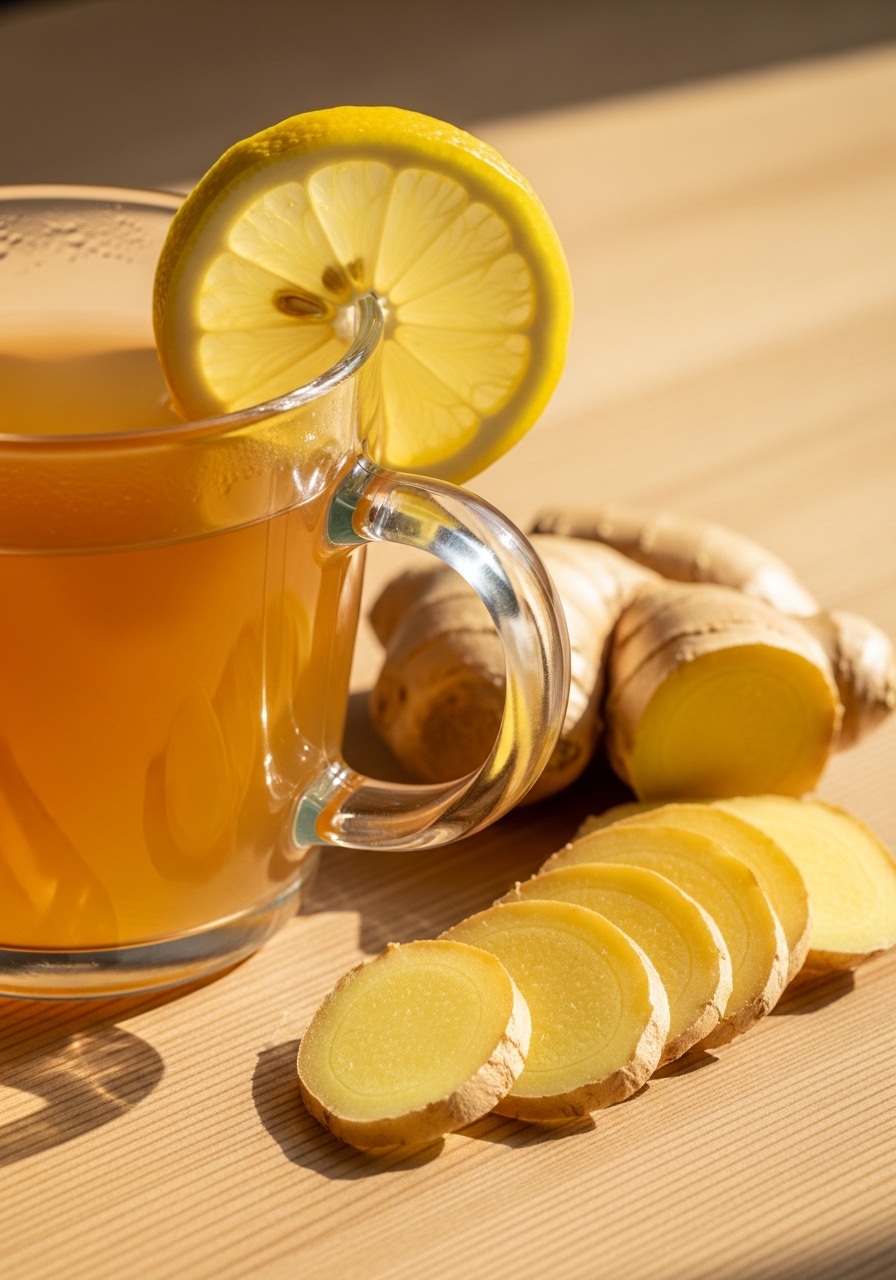
Ginger tea has the strongest evidence behind it. Multiple clinical studies have found that ginger can reduce nausea and vomiting in early pregnancy. A 2014 review in Nutrition Journal concluded that 1 gram of ginger daily (roughly 1-2 cups of tea) was effective for morning sickness without increasing the risk of side effects. What I tell friends: steep about a thumb-sized piece of fresh ginger in hot water for 10 minutes. It works noticeably better than the powdered stuff in tea bags.
Peppermint tea is another solid option. It can help with nausea, indigestion, and bloating — all common pregnancy complaints. There’s no established safety concern with moderate consumption, and most midwives consider it one of the safest herbal options during pregnancy. If you’re dealing with digestive issues related to tea, peppermint is usually a good swap.
Rooibos tea is naturally caffeine-free, high in antioxidants, and contains calcium and magnesium. It’s one of the few herbal teas that has essentially zero controversy around pregnancy safety. If you miss having a “regular” tea, rooibos has a full-bodied taste that fills that gap well.
Lemon balm tea is mild and calming. Some small studies suggest it may help with anxiety and sleep quality. It doesn’t have the same caution flags as some other calming herbs, making it a reasonable choice for winding down in the evening.
The Chamomile and Raspberry Leaf Question
These two come up in almost every conversation about pregnancy tea, and they both require a bit more nuance.
Chamomile tea is one of those teas that gets conflicting advice. Here’s why: chamomile is generally considered safe in normal dietary amounts (a cup or two per day). The concern comes from its potential uterine-stimulating properties in very large doses. One or two cups of chamomile tea a day is unlikely to cause issues for most pregnancies — but it’s worth mentioning to your healthcare provider, especially in the first trimester. The key word is moderation.
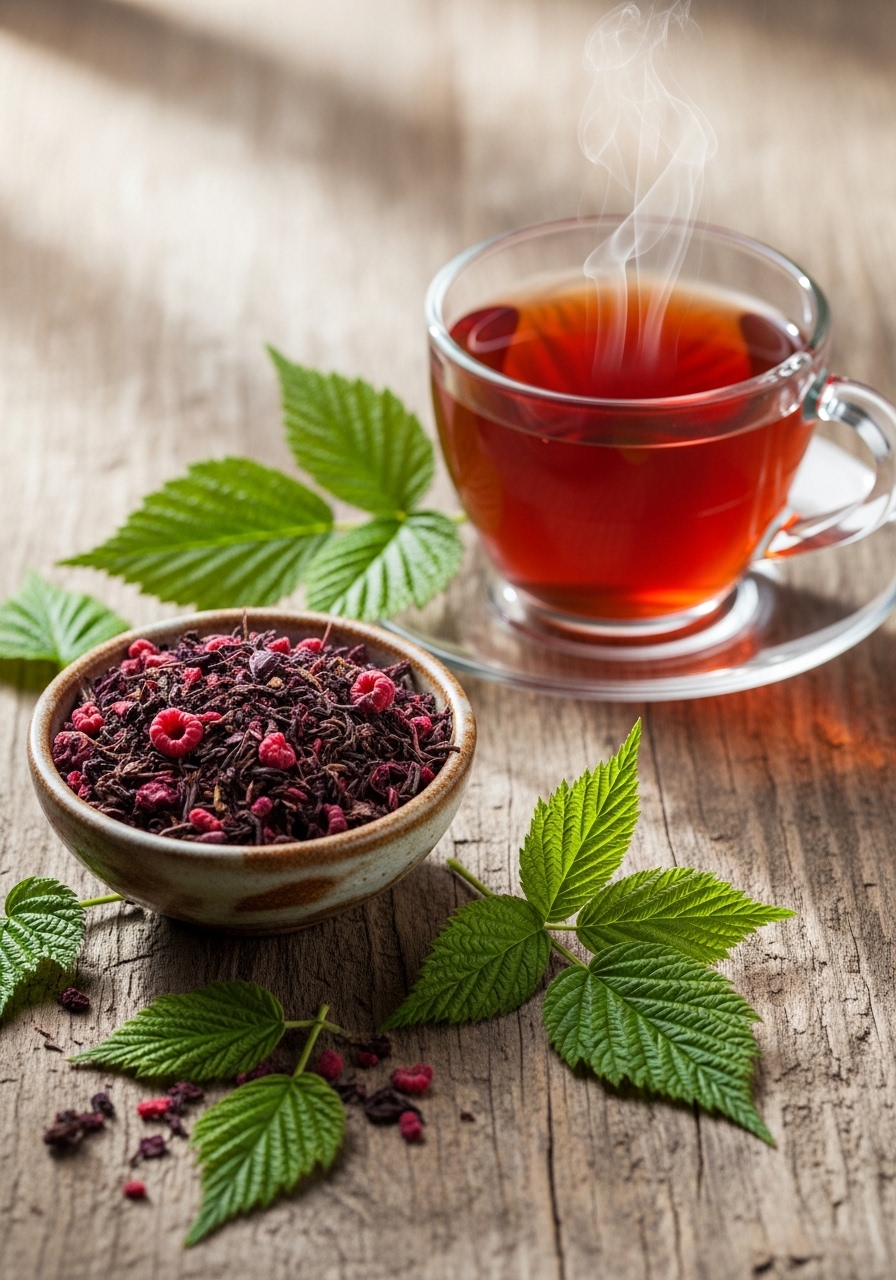
Raspberry leaf tea is widely recommended by midwives, but the timing matters. It’s traditionally used in the third trimester (after about 32 weeks) to help tone the uterus and potentially prepare for labor. A 2021 review in BMC Complementary Medicine and Therapies found it to be generally safe when used in late pregnancy, though the evidence for its effectiveness is still mixed. Most practitioners advise against using it in the first and second trimesters.
Teas to Avoid During Pregnancy
Some herbal teas contain compounds that can stimulate uterine contractions, affect hormone levels, or cross the placenta in ways we don’t fully understand yet. Here are the ones to skip:
- Black cohosh and blue cohosh — both are associated with uterine stimulation and have been linked to preterm labor in case reports
- Dong quai — traditionally used as a uterine stimulant, generally contraindicated during pregnancy
- Pennyroyal — can be toxic even in small amounts and has been associated with serious adverse events
- Mugwort — may stimulate uterine contractions
- Licorice root — high consumption has been associated with shorter gestations and potential developmental effects in some studies
- Hibiscus tea — some animal studies suggest it may have estrogenic effects; occasional small amounts are likely fine, but it’s better to choose other options
If you’re a regular tea drinker and want to understand how caffeine from regular (non-herbal) tea might affect your sleep during pregnancy, that’s a separate but related concern — most guidelines suggest keeping caffeine under 200mg per day during pregnancy.
Practical Tips for Tea During Pregnancy
After helping several friends navigate this, here’s what I’ve found works best:
- Read ingredient lists carefully. Many commercial “pregnancy tea” blends contain a mix of herbs. Some of those herbs might be on your provider’s caution list. Don’t assume a “pregnancy” label means every ingredient has been vetted.
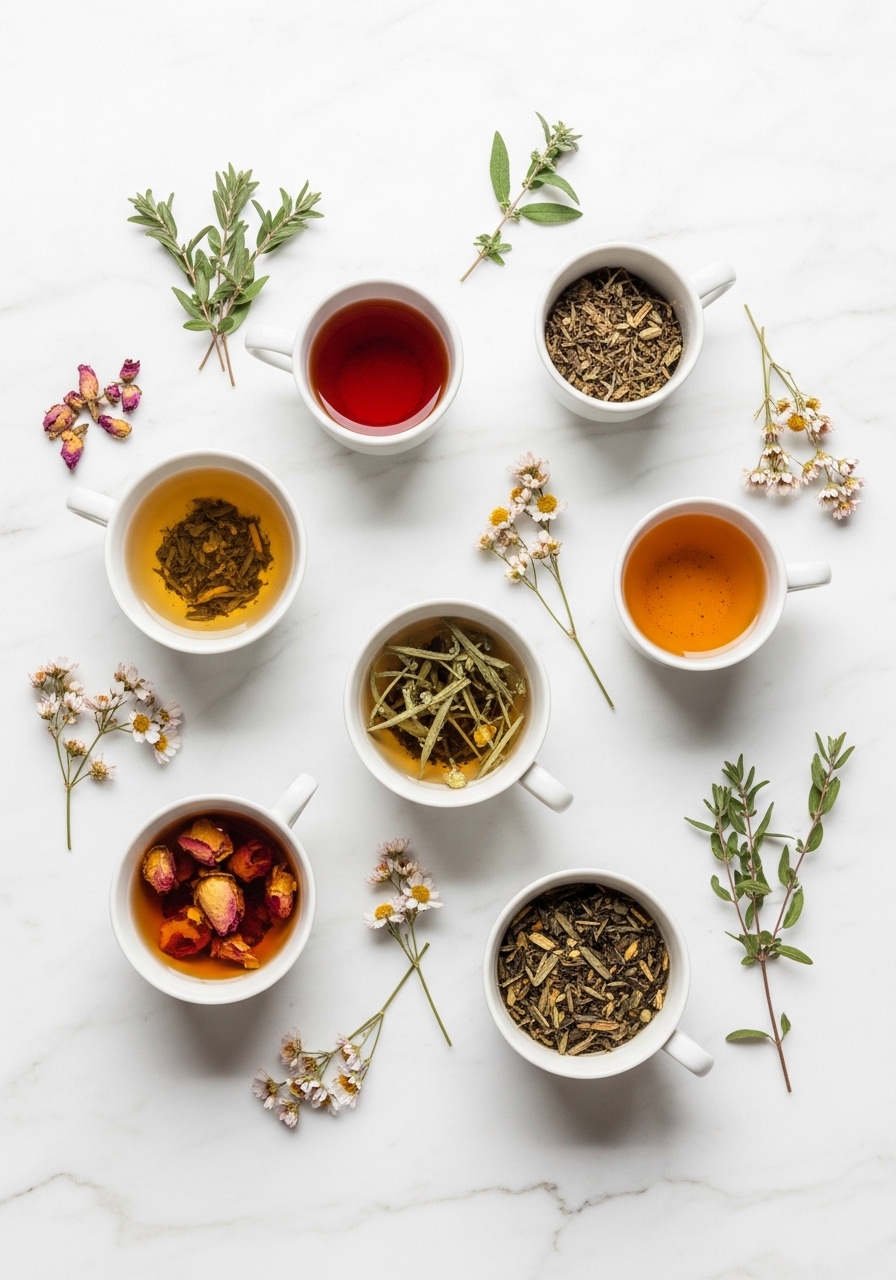
- Stick to 2-3 cups per day maximum. Even safe herbs can cause issues in excessive amounts. Variety helps too — rotating between ginger, peppermint, and rooibos gives you different benefits without overloading on any single herb.
- Buy from reputable brands. Herbal teas aren’t regulated the same way as pharmaceuticals. Choose brands that provide clear ingredient sourcing and avoid teas with vague “proprietary blend” labels.
- Fresh ginger beats tea bags. For morning sickness specifically, fresh ginger steeped in hot water is more potent than most commercial ginger tea bags, which often contain very small amounts of actual ginger.
- Keep a log if you’re sensitive. If you notice any cramping, unusual symptoms, or digestive changes after trying a new tea, write it down and mention it at your next appointment.
If you’re interested in how different teas can support your body in other ways, check out our guides on teas that support immune health and teas for menstrual pain relief — both are useful reads for after pregnancy too.
Frequently Asked Questions
Can I drink green tea during pregnancy?
Green tea is not an herbal tea — it contains caffeine. One to two cups per day (about 50-100mg caffeine) is generally considered fine, but it counts toward your 200mg daily caffeine limit. If you’re also drinking coffee, factor that in.
Is it safe to drink herbal tea in the first trimester?
Ginger, peppermint, rooibos, and lemon balm are generally considered safe throughout pregnancy, including the first trimester. Avoid raspberry leaf tea until the third trimester, and keep chamomile to moderate amounts.
How much herbal tea can I drink per day while pregnant?
Most practitioners recommend limiting herbal tea to 2-3 cups per day during pregnancy. This applies even to teas considered safe — the dose makes the difference.
Are “pregnancy tea” blends safe?
Not automatically. Always check the ingredient list. Some blends contain herbs like hibiscus or licorice root that are better avoided. Look for blends that only include well-studied safe herbs like ginger, peppermint, or rooibos.
There’s no reason to give up tea entirely during pregnancy — you just need to be a bit more intentional about what you’re brewing. Stick to the well-studied safe options, keep it moderate, and save the more adventurous herbal experiments for after the baby arrives.