
There’s a reason tea is the first thing most people reach for when their stomach is off. Not because of some vague “soothing” quality — but because certain teas contain specific compounds that directly address the mechanisms behind stomach discomfort. The trick is matching the right tea to the right symptom.
For the runs specifically, see our focused guide to tea for diarrhea.
Match the Tea to the Problem
Not all stomach issues are the same, and not all teas work the same way. Here’s a quick guide before we dive into details:
- Nausea → Ginger tea (first choice) or peppermint
- Bloating and gas → Peppermint or fennel
- Cramping and spasms → Chamomile or peppermint
- Indigestion after eating → Ginger or fennel
- Stress-related stomach pain → Chamomile
- General queasiness → Ginger or chamomile
The Top Teas (Ranked by Evidence)
1. Ginger tea — the strongest evidence. Ginger’s anti-nausea effects are backed by multiple clinical trials. The active compounds (gingerols and shogaols) block serotonin receptors in the gut, speed up gastric emptying, and reduce inflammation. For nausea and slow digestion, ginger is the most reliably effective option.
How to brew: Slice a 2-inch piece of fresh ginger, simmer in 2 cups of water for 10-15 minutes. Strain and add honey. Fresh ginger is significantly more potent than tea bags.
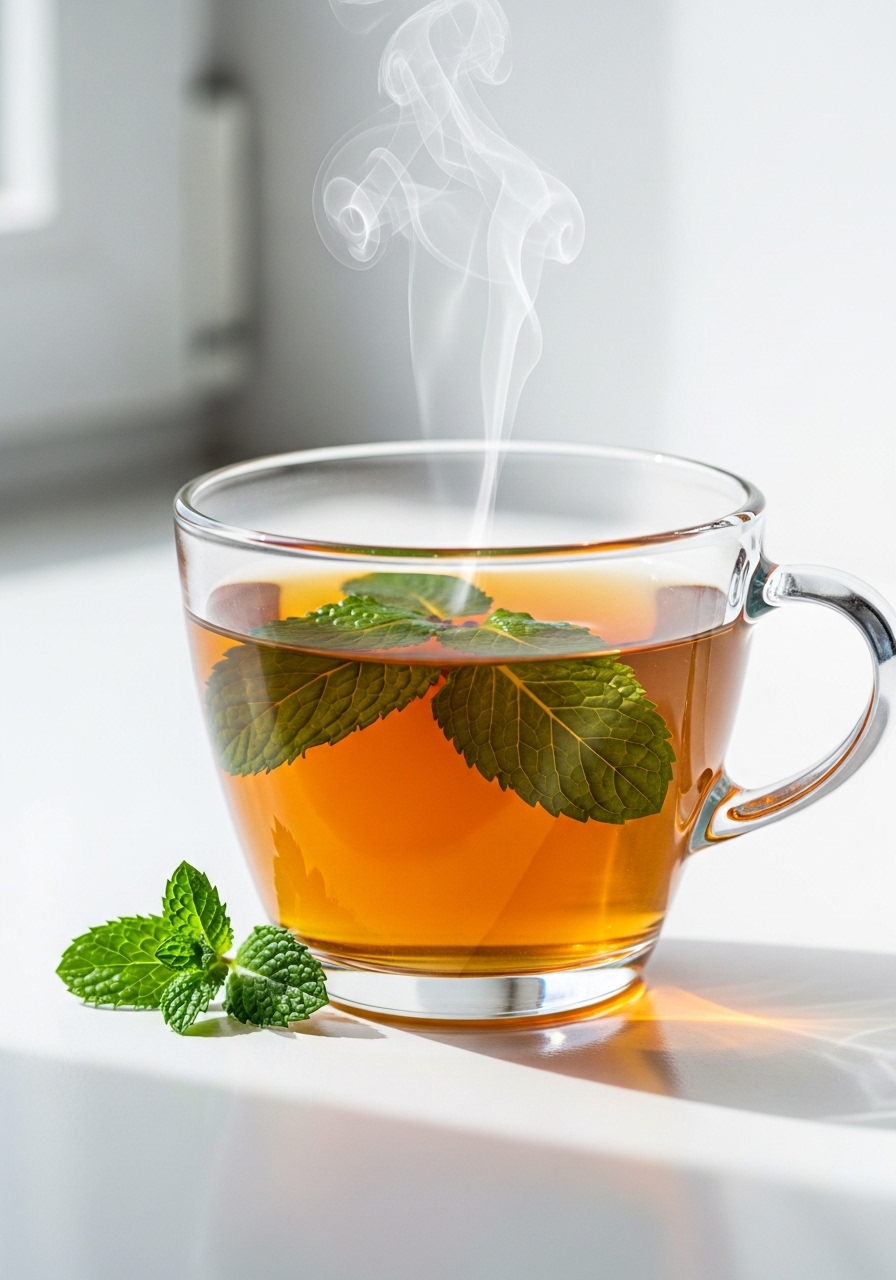
2. Peppermint tea — best for bloating and cramps. Menthol, peppermint’s primary active compound, is a natural antispasmodic that relaxes the smooth muscle of the GI tract. A study in Digestive Diseases and Sciences found that peppermint significantly reduced abdominal pain, bloating, and gas in IBS patients. For stomach cramps specifically, peppermint is often more effective than ginger.
How to brew: Use 1-2 teaspoons of dried peppermint leaves (or a tea bag) in boiling water, steep 5-7 minutes covered. Fresh mint works too — use a generous handful.
3. Chamomile tea — best for stress-related stomach issues. Chamomile’s antispasmodic and anti-anxiety effects make it ideal when your stomach trouble has a stress or anxiety component. The gut-brain connection is real — anxiety directly affects digestive function, and chamomile addresses both the psychological and physical symptoms.
How to brew: 1-2 tablespoons of dried chamomile flowers, steep in just-below-boiling water for 7-10 minutes covered.
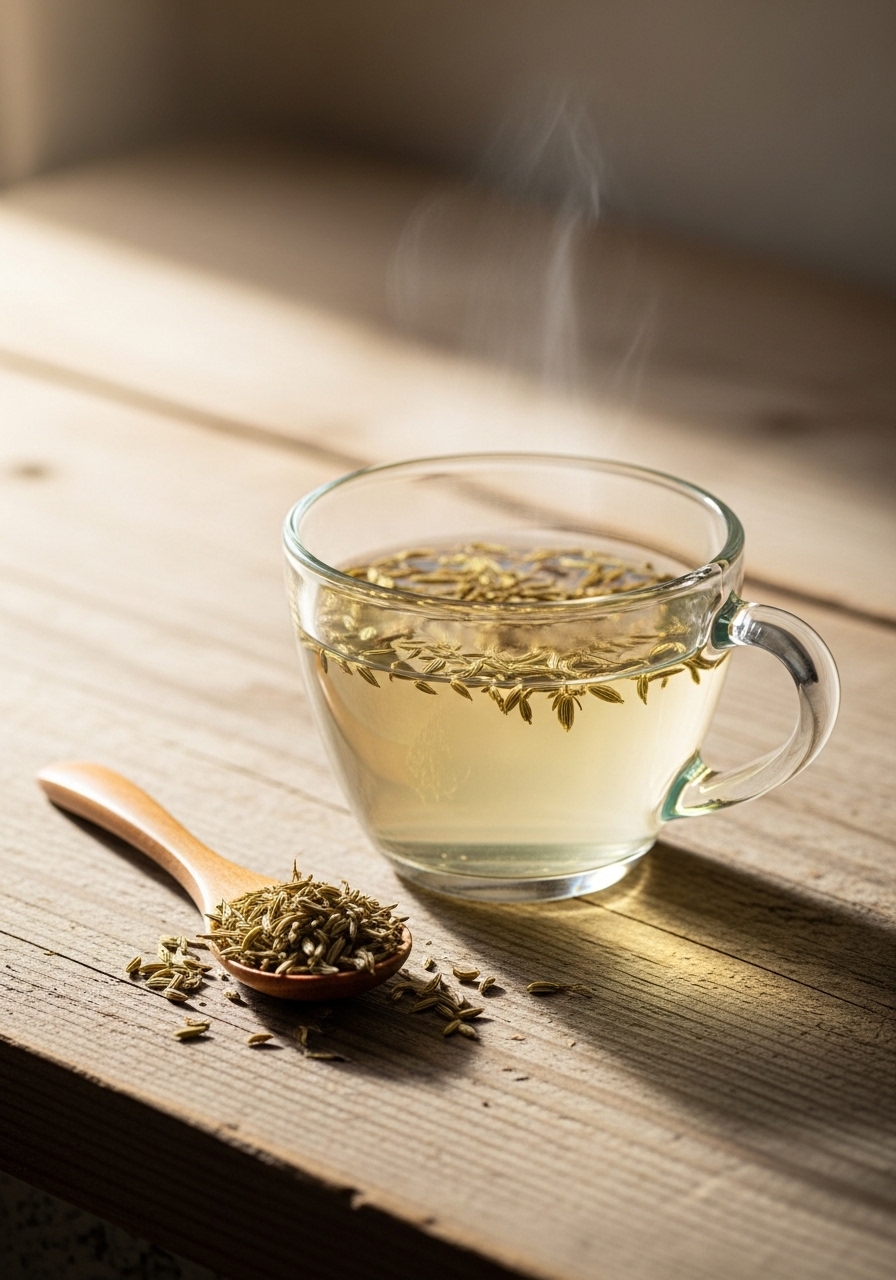
4. Fennel tea — the underrated option. Fennel has been used for digestive complaints for centuries, and modern research supports its use. A study in Alternative Therapies in Health and Medicine found fennel effective for reducing bloating and gas. The compound anethole relaxes the smooth muscle of the digestive tract and has carminative (gas-reducing) properties.
How to brew: Lightly crush 1 teaspoon of fennel seeds with the back of a spoon, steep in boiling water for 5-7 minutes. The tea has a mild, slightly sweet anise flavor.
Teas to Avoid When Your Stomach Is Upset
Not every tea helps an upset stomach. Some can make things worse:
- Black tea and green tea (on an empty, upset stomach) — the tannins and caffeine can increase stomach acid and irritate an already sensitive lining. These are fine for healthy digestion, but not the best choice when you’re already feeling queasy.
- Citrus-based herbal teas — lemon, orange, or hibiscus teas are acidic and can aggravate acid reflux or an irritated stomach. Save these for when you’re feeling fine.
- Very hot tea — let it cool to a comfortable drinking temperature. Very hot liquids can increase stomach irritation.
Tips for Getting the Most Relief
Sip slowly. Don’t gulp a full cup of tea when your stomach is upset. Small, frequent sips are much easier to tolerate than large amounts at once. If even small sips feel difficult, let the tea cool to lukewarm.
Don’t add milk. Dairy can worsen stomach upset for many people. Stick to plain tea, or add just a touch of honey.
Timing matters. For indigestion, drinking tea 30 minutes after eating works better than during the meal. For nausea, sip as needed. For stress-related stomach issues, a regular evening chamomile habit provides the most consistent relief.
Try a blend. Ginger-peppermint is an excellent combination — the ginger addresses nausea while the peppermint handles cramping. Chamomile-fennel is another good pair for bloating with an anxiety component. Many commercial “digestive” or “stomach” tea blends combine these ingredients for good reason.
FAQ
How quickly does tea help an upset stomach?
Peppermint and ginger typically provide some relief within 15-30 minutes. Chamomile takes a bit longer as its effects are more gradual. For chronic digestive issues, consistent daily consumption over 1-2 weeks produces better results than occasional use.
Is tea better than antacids for stomach problems?
They address different things. Antacids neutralize stomach acid — they’re better for heartburn and acid reflux. Tea addresses muscle spasms, nausea, and inflammation. For general stomach upset that isn’t primarily acid-related, tea may actually be more appropriate. For acid reflux specifically, be cautious — some teas can worsen it.
Can kids drink digestive teas?
Chamomile and fennel are generally considered safe for children in moderate amounts (half-strength, cooled). Peppermint is generally fine for children over 5. Ginger tea should be mild for kids. Always check with your pediatrician for children under 2 or for persistent digestive issues.
Should I drink tea if I’m vomiting?
Wait until active vomiting has stopped, then start with very small sips of room-temperature ginger tea. If you can’t keep anything down, you need rehydration — and if vomiting persists more than 24 hours (less for children or elderly), seek medical attention.