
Last updated: 10 August 2026
I used to drink green tea right up until bedtime and wondered why I was staring at the ceiling at midnight. Once I actually looked into the caffeine content of different teas — and more importantly, how caffeine timing affects sleep — the picture got a lot clearer. The answer to “will tea keep you awake” is: it depends entirely on what you’re drinking and when.
This article contains affiliate links to teas we recommend. If you buy through them, we may earn a small commission at no extra cost to you. We only link to brands we’d drink ourselves. Full disclosure.
The Short Answer
Yes, caffeinated tea can keep you awake — but how much depends entirely on the type and the timing. Black tea and matcha carry the most caffeine (40-70mg per 8oz cup), green and oolong sit in the middle (20-50mg), and herbal teas such as chamomile, peppermint, and rooibos contain none at all. Because caffeine has a half-life of roughly 5-6 hours, a black tea at 6pm is still working on you at midnight. Stop caffeinated tea by early-to-mid afternoon and switch to herbal, and tea will not cost you sleep.
How Much Caffeine Is Actually in Your Tea?
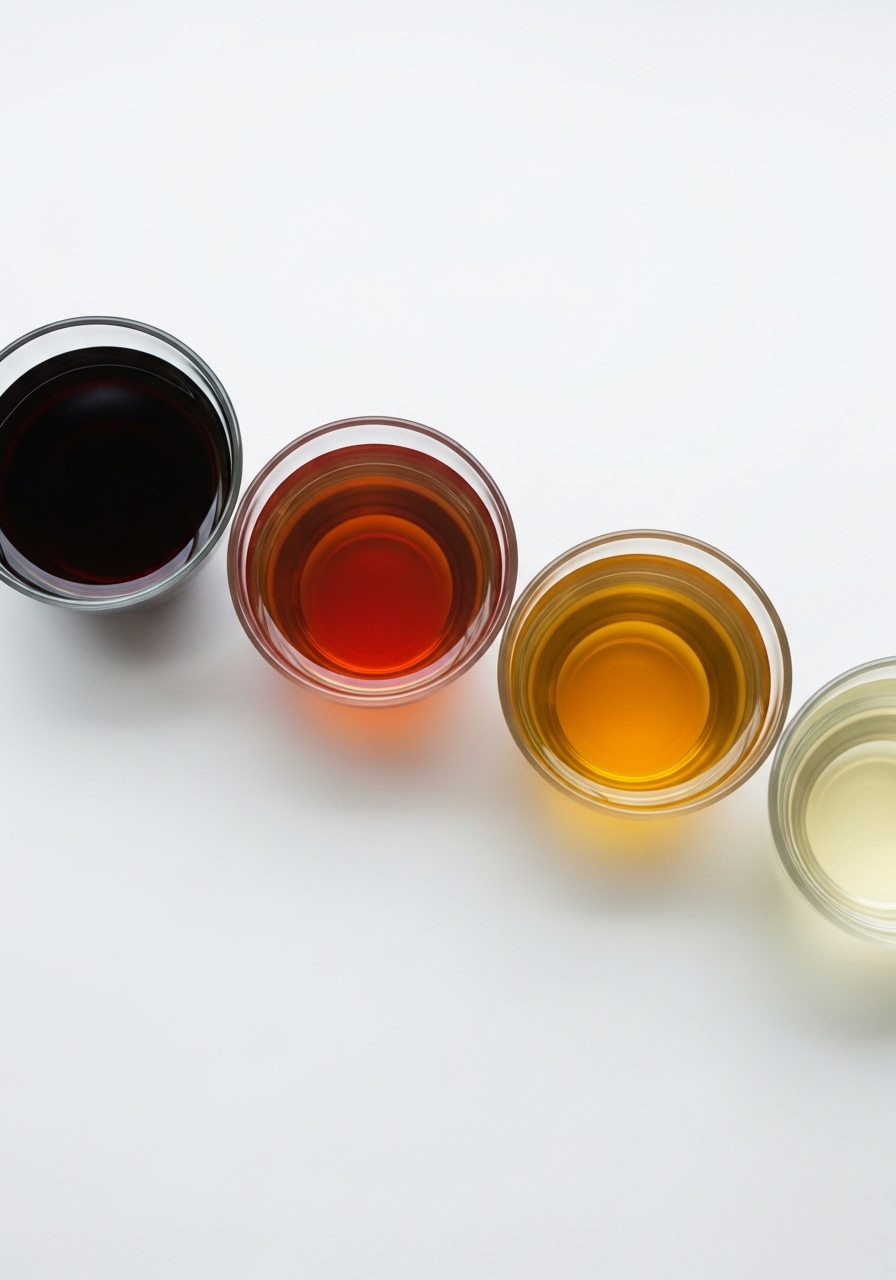
Not all teas are created equal when it comes to caffeine. Here’s a realistic breakdown per 8-ounce cup, based on typical brewing conditions:
- Black tea: 40-70mg (roughly half a cup of coffee)
- Green tea: 20-45mg
- White tea: 15-30mg
- Oolong tea: 30-50mg
- Matcha: 60-70mg (because you consume the whole leaf)
- Herbal teas: 0mg (chamomile, peppermint, rooibos, etc. are naturally caffeine-free)
For context, a standard cup of coffee has about 95mg of caffeine, and most sleep researchers suggest cutting off caffeine intake 6-8 hours before bed. Caffeine has a half-life of about 5-6 hours in most adults — meaning half of it is still in your system that long after drinking.
Why Tea Affects Sleep Differently Than Coffee
Here’s something interesting: tea contains L-theanine, an amino acid that promotes relaxation without drowsiness. L-theanine actually modulates the stimulating effect of caffeine, which is why a cup of tea tends to produce a calmer, more sustained alertness compared to coffee’s sharper spike and crash.
A study published in Nutritional Neuroscience found that L-theanine can improve sleep quality, not by acting as a sedative, but by reducing anxiety and promoting relaxation. This means that even caffeinated teas may not disrupt sleep as much as an equivalent dose of caffeine from coffee — though individual sensitivity varies widely.
That said, if you’re sensitive to caffeine, even the 30mg in a cup of green tea at 7pm could be enough to push your sleep onset later. I know from experience — once I moved my last green tea to before 2pm, my sleep improved noticeably.
What to Drink Before Bed (And What to Avoid)
Good choices for evening:
- Chamomile tea — the classic bedtime tea for a reason. Contains apigenin, a compound that binds to GABA receptors and promotes sleepiness. A 2019 meta-analysis found modest but real improvements in sleep quality.
- Passionflower tea — emerging research suggests it may increase GABA levels, helping with sleep onset. Worth trying if chamomile doesn’t appeal to you.
- Valerian root tea — has a long history of use as a sleep aid. The taste is… acquired, but some people find it genuinely helpful.
- Rooibos tea — naturally caffeine-free with a pleasant, full-bodied taste. A good option if you want something that tastes more like “real” tea without any stimulating effects.
- Peppermint tea — caffeine-free and can help with digestion, which matters if indigestion is keeping you up.
Avoid after mid-afternoon:
- Black tea, green tea, oolong tea, and matcha
- Yerba mate (contains caffeine)
- Any “energy” tea blends

Which Teas Keep You Awake the Longest?
Not everyone is trying to avoid the caffeine. If you want tea to keep you awake — a late shift, a long drive, a night of studying — the ranking follows the caffeine content:
- Matcha (60-70mg) — the strongest option, because you consume the whole powdered leaf rather than an infusion. The L-theanine that comes with it makes the alertness steadier than an equivalent hit of coffee.
- Black tea (40-70mg) — the most reliable everyday choice. A strong breakfast blend steeped a full 4-5 minutes lands near the top of that range.
- Oolong (30-50mg) — a moderate lift without much edge to it.
- Green tea (20-45mg) — mild. Better suited to sustained focus than to fighting off sleep.
Steeping time and water temperature matter as much as the leaf you pick: a longer, hotter brew pulls more caffeine into the cup. Yerba mate and “energy” tea blends will also keep you awake, though they sit outside the traditional tea family.
The 2pm Rule (And When to Bend It)
Most sleep experts recommend a caffeine cutoff of 6-8 hours before your target bedtime. If you go to bed at 10pm, that means your last caffeinated tea should be between 2-4pm. I’ve settled on 2pm as my personal rule and it’s been the single biggest improvement to my sleep quality.
Some people metabolize caffeine faster than others — genetics play a significant role. If you’ve never had trouble sleeping after an afternoon tea, you may be a fast metabolizer and can afford to push that window later. But if you’re troubleshooting sleep issues and you’re a regular tea drinker, the afternoon cutoff is the first thing to try.
For those exploring how different teas affect the body in other ways, check out our guide on tea and digestive health — caffeine’s stimulating effects extend beyond just keeping you awake. And if you’re interested in the calming side of tea culture, our piece on traditional oolong tea ceremony explores how tea rituals can actually be part of a relaxation practice.
Frequently Asked Questions
Will one cup of green tea before bed keep me awake?
It depends on your caffeine sensitivity. One cup of green tea contains about 20-45mg of caffeine. For most people, drinking it 3+ hours before bed won’t cause major issues. If you’re caffeine-sensitive, switch to an herbal option in the evening.
Does green tea keep you awake?
Green tea contains 20-45mg of caffeine per 8oz cup — roughly a quarter to a half of what is in a cup of coffee. That is enough to delay sleep in caffeine-sensitive people, but mild enough that most drinkers are unaffected if they finish it three or more hours before bed. The L-theanine in green tea also softens the stimulant effect compared with the same dose of caffeine from coffee.
Does tea help you stay awake like coffee does?
It can, but the curve is different. Coffee delivers a sharper spike and a more noticeable crash, while tea’s caffeine arrives alongside L-theanine, producing a calmer and more sustained alertness. For staying awake across several hours, matcha or a strong black tea is the most effective choice. For a fast jolt, coffee still wins.
Does decaf tea still have caffeine?
Yes — decaf tea still contains a small amount of caffeine, typically 2-5mg per cup. It’s significantly less than regular tea, but it’s not truly zero. For a completely caffeine-free option, choose herbal teas.
Can tea actually help you sleep?
Certain herbal teas can support sleep. Chamomile has the most research behind it, with studies showing modest improvements in sleep quality. Passionflower and valerian root also show promise. These work best as part of a consistent bedtime routine rather than as a one-time fix.
Is tea better than coffee for people with sleep problems?
Generally yes, for two reasons: tea contains less caffeine per cup, and the L-theanine in tea moderates caffeine’s stimulating effects. If you’re struggling with sleep and drink coffee, switching to tea (and stopping caffeinated varieties by early afternoon) is a reasonable first step.
Tea and sleep can coexist perfectly — you just need to pick the right tea for the right time of day. Save the black and green teas for morning, switch to herbal after lunch, and you’ll probably sleep better than you have in a while.