
I brewed oolong the wrong way for two years before a friend from Taiwan showed me gongfu style. Same tea, completely different experience — suddenly I was tasting layers of flavor I’d been completely missing. The traditional approach to oolong tea isn’t just ceremony for ceremony’s sake. It genuinely extracts more from the leaves and produces a better cup.
Why Oolong Is Special
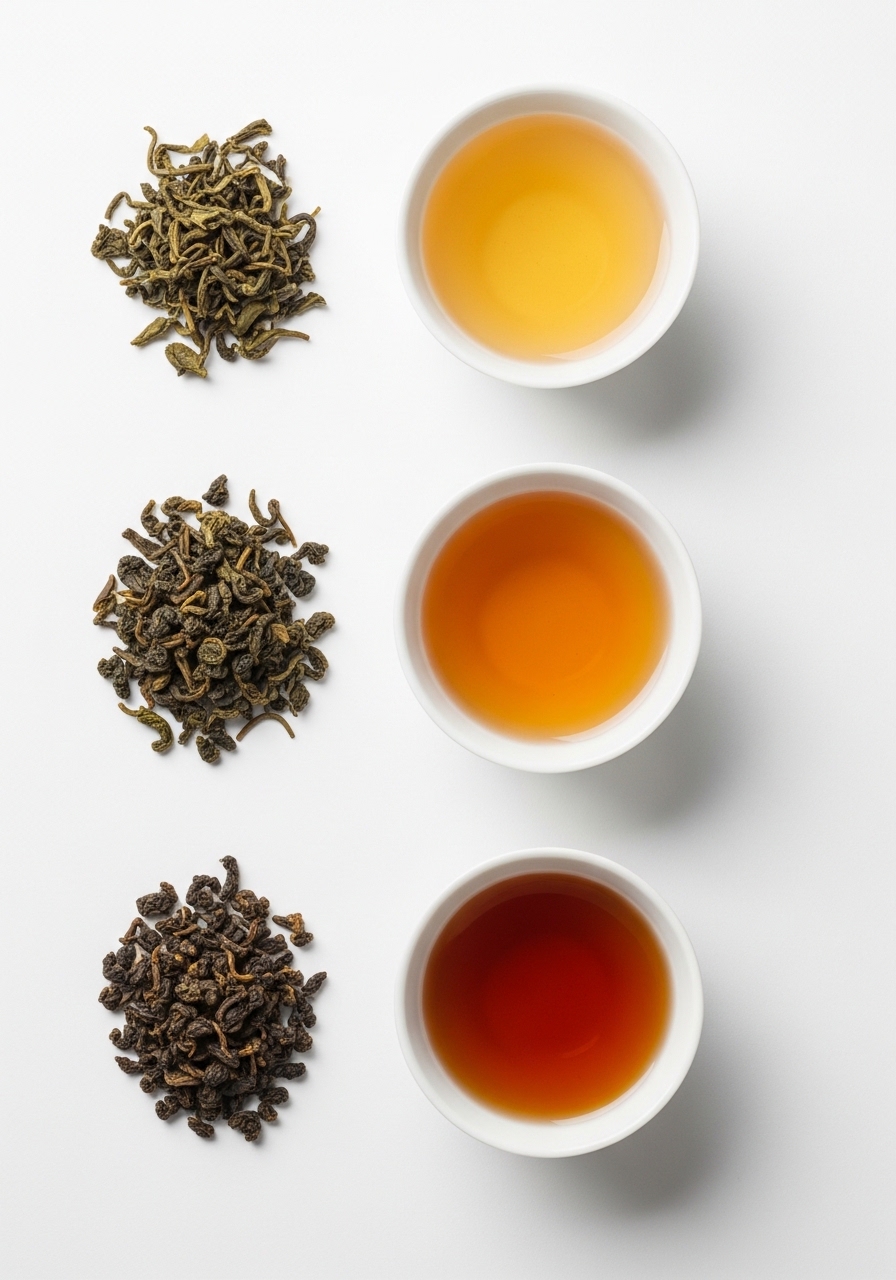
Oolong sits between green tea and black tea on the oxidation spectrum — anywhere from about 8% to 85% oxidized, depending on the variety. This range means oolong teas can taste wildly different from each other: light, floral oolongs (like High Mountain or Ali Shan) are barely oxidized and taste closer to green tea, while roasted oolongs (like Da Hong Pao) have deep, toasty, almost chocolate-like flavors.
The leaves are typically rolled or twisted, which is part of what makes them ideal for multiple infusions. As the leaves unfurl over successive steepings, they release different compounds, so each cup tastes slightly different from the last. This is where gongfu brewing really shines.

Gongfu Brewing: The Traditional Chinese Method
Gongfu (功夫茶) literally translates to “making tea with effort” or “making tea with skill.” It uses a higher leaf-to-water ratio and shorter steeping times, producing small, concentrated cups that evolve over many infusions. Here’s the basic method:
What you need:
- A small teapot (Yixing clay is traditional, but a porcelain gaiwan works great) — 100-150ml capacity
- Small tasting cups (30-50ml each)
- A tea tray or plate to catch overflow
- Good oolong tea (3-5g per 100ml of water)
- Water just off the boil (195-205°F / 90-96°C)
The process:
- Warm everything. Pour hot water over the teapot and cups to preheat them. This isn’t optional — it keeps the brewing temperature consistent and makes a noticeable difference in flavor.
- Add tea leaves. Use about 5 grams of tea for a 100ml vessel. This looks like a lot compared to Western brewing — that’s the point.
- Rinse the leaves. Pour hot water over the leaves and immediately drain. This “wakes up” the leaves and rinses any dust. Some people drink the rinse; most discard it.
- First infusion. Pour hot water over the leaves and steep for 15-30 seconds. Pour all the tea out into cups or a fairness pitcher. Don’t leave water sitting on the leaves between steeps.
- Subsequent infusions. Add 5-10 seconds to each following steep. Good oolong can yield 5-8 infusions, sometimes more. The flavor will evolve from bright and floral early on to deeper and more mineral-like in later steeps.
Other Traditional Approaches
Taiwanese mountain-style brewing is similar to gongfu but often uses a taller, narrower brewing vessel. Taiwan’s High Mountain oolongs (grown above 1,000 meters) are prized for their floral, buttery qualities and are typically brewed at slightly lower temperatures (185-195°F) to preserve their delicate flavors.
Chaoshan-style gongfu (from the Chaozhou region of Guangdong province) is considered the origin of gongfu tea brewing. It uses very small cups — sometimes just a tablespoon of tea per serving — and places enormous emphasis on the skill and ritual of pouring.
Simple grandpa style is the everyday Chinese approach: toss leaves in a tall glass or thermos, add hot water, drink, and keep refilling throughout the day. It’s not ceremonial, but it’s how most Chinese people actually drink oolong on a daily basis. The flavor changes gradually as the leaves steep continuously.
Getting Started
You don’t need expensive equipment to start enjoying oolong traditionally. A small porcelain gaiwan (lidded bowl) and a few small cups will cost under $20 and do the job perfectly. In fact, many tea enthusiasts prefer gaiwans to clay pots because the porcelain doesn’t absorb flavors, letting you taste each tea on its own terms.
For tea selection, start with a Taiwanese High Mountain oolong (Ali Shan or Li Shan) if you prefer lighter, floral teas, or a roasted Wuyi Mountain oolong (like Shui Xian or Rou Gui) if you like deeper, more robust flavors.
For the broader story of how tea culture developed in China, see our history of tea article. And if oolong’s complexity interests you, our Earl Grey origins piece covers another tea with a fascinating backstory. For something visually stunning, blooming tea is a modern Chinese tea art form worth trying.
Frequently Asked Questions
How many times can you steep oolong tea?
Good quality oolong tea can be steeped 5-8 times using gongfu method, sometimes more. Higher-quality whole-leaf oolongs generally yield more infusions than lower-grade or broken-leaf varieties. The flavor evolves with each steeping, which is part of the appeal.
What temperature should I use for oolong tea?
Light, less-oxidized oolongs (like High Mountain) brew best at 185-195°F (85-90°C). Darker, more heavily oxidized or roasted oolongs can handle full boiling water (205-212°F / 96-100°C). When in doubt, start lower — you can always increase temperature on subsequent steeps.
What’s the difference between oolong and green tea?
Both come from the same plant, but oolong is partially oxidized (8-85%) while green tea is minimally oxidized (under 5%). This gives oolong a wider range of flavors — from floral and creamy to roasted and earthy — compared to green tea’s grassy, vegetal character.
Do I need a Yixing teapot for oolong?
No. While Yixing clay is traditional and adds subtle character over years of use (the clay absorbs tea oils), a porcelain gaiwan or any small teapot works perfectly well. Start with what you have — a mug and a strainer will work for your first experiments with gongfu ratios.
Oolong tea rewards attention in a way that few other teas do. The leaves change over multiple infusions, the flavors shift and develop, and the process itself is genuinely relaxing. It’s worth slowing down for.
