
Every autumn, I start hearing the same question: “What tea should I drink to avoid getting sick?” The honest answer is that no tea will make you immune to anything. But there are teas with genuine evidence supporting immune function — and understanding how they work helps you use them more effectively.
The Best-Studied Immune-Supporting Teas
Green tea is the heavyweight here. EGCG, the primary catechin in green tea, has been shown to enhance immune function in multiple ways: it supports T-cell function, has direct antimicrobial properties, and modulates the inflammatory response. A 2018 review in Molecules documented green tea’s effects on both innate and adaptive immunity. The practical message: 2-3 cups daily provides consistent immune support without overdoing the caffeine.
Elderberry tea has gained popularity in recent years, and the research backs it up more than most herbal immune claims. A 2019 meta-analysis in Complementary Therapies in Medicine found that elderberry supplementation substantially reduced upper respiratory symptoms. The flavonoids in elderberry appear to work by preventing viral replication. The tea form is less concentrated than extracts used in studies, but regular consumption contributes to overall intake of these beneficial compounds.
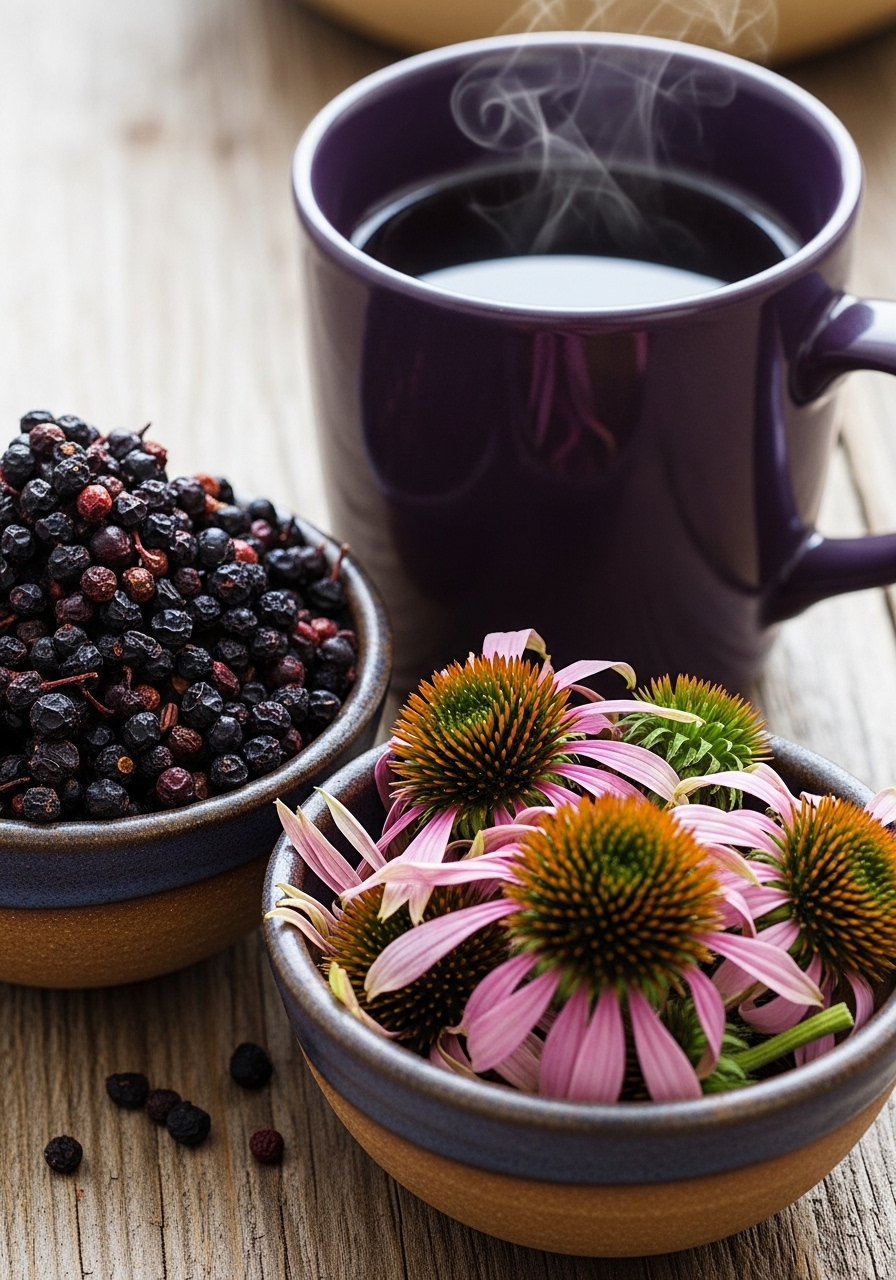
Echinacea tea has mixed research — some studies show benefits for reducing cold duration, others show no significant effect. A Cochrane review concluded that echinacea products may have a small preventive effect on colds. The variability in study results likely comes from differences in echinacea species and preparation methods. If you’re going to try it, Echinacea purpurea (the above-ground parts) has the best evidence, and it may be most effective when started at the very first sign of symptoms.
Ginger tea has immunomodulatory effects alongside its well-known anti-inflammatory and antimicrobial properties. Gingerols have been shown to activate macrophages (immune cells that engulf pathogens) in cell studies. Ginger also helps with nausea and digestion, which makes it a particularly useful tea when you’re already feeling under the weather.
Other Teas Worth Considering
Turmeric tea: Curcumin modulates immune cell activity and has broad anti-inflammatory effects. The same bioavailability tip applies here — add black pepper to increase absorption. See our anti-inflammatory teas guide for detailed turmeric brewing tips.
Licorice root tea: Contains glycyrrhizin, which has demonstrated antiviral properties in laboratory studies. Use it in moderation — excessive consumption can affect blood pressure. A few cups per week is reasonable.
Peppermint tea: While not a direct immune booster, menthol helps clear congestion and has mild antimicrobial properties. It’s especially useful when you’re already dealing with cold symptoms.

Making Tea Part of Your Immune Strategy
A few things I’ve learned from reading the research and personal experience:
- Consistency beats intensity. Daily green tea over months does more for immune function than loading up on echinacea once you’re already sick. Build tea into your routine rather than treating it as emergency medicine.
- Variety provides broader coverage. Different teas support immunity through different mechanisms. Rotating between green tea, ginger, and elderberry gives you multiple layers of support.
- Add vitamin C sources. Squeezing lemon into your tea isn’t just for flavor — vitamin C enhances iron absorption and supports immune cell function. It also stabilizes the catechins in green tea.
- Stay hydrated. Plain hydration supports your mucous membranes — your body’s first line of defense against airborne pathogens. Tea counts toward fluid intake, which is a bonus.
- Tea supports, it doesn’t replace. Sleep, exercise, stress management, and a varied diet are the pillars of immune health. Tea is a pleasant addition to those fundamentals, not a substitute for them.
For related reading, our anti-inflammatory teas article covers how managing chronic inflammation supports immune function. And if you’re pregnant, check our pregnancy tea safety guide before adding immune teas to your routine, as some (like echinacea) need extra caution.
Frequently Asked Questions
What is the best tea for preventing colds?
Green tea has the most consistent evidence for immune support when consumed regularly. For acute cold prevention or at the first sign of symptoms, elderberry and echinacea have the most targeted research.
Can I drink immune-boosting teas every day?
Green tea, ginger tea, and peppermint tea are safe for daily consumption. Elderberry tea is also generally safe daily, though most studies used it for shorter periods. Echinacea is typically recommended for short-term use (up to 10 days) rather than continuous daily consumption.
Does honey in tea help with immunity?
Raw honey has mild antimicrobial properties and can soothe a sore throat. Adding it to tea is reasonable, though the immune effects are modest. Just wait until the tea cools slightly before adding honey — very hot temperatures can degrade some of its beneficial compounds.
Should I take supplements instead of drinking tea?
Supplements provide higher concentrations of active compounds, but tea offers benefits beyond just the active ingredient — hydration, warmth, and the ritual itself contribute to wellbeing. For most people, regular tea consumption alongside a balanced diet is sufficient. If you have a diagnosed immune condition, discuss supplementation with your doctor.
The best immune-supporting tea is the one you’ll actually drink regularly. Pick two or three from this list, make them part of your daily routine, and let the compounds do their work over time.
