
When my knee started bothering me after running, a physical therapist mentioned that chronic low-grade inflammation was likely part of the picture. She suggested adding anti-inflammatory foods to my diet, including certain teas. I was skeptical — it seemed too simple. But after looking into the research, I was surprised by how strong the evidence is for some of these.
The Four Standout Anti-Inflammatory Teas
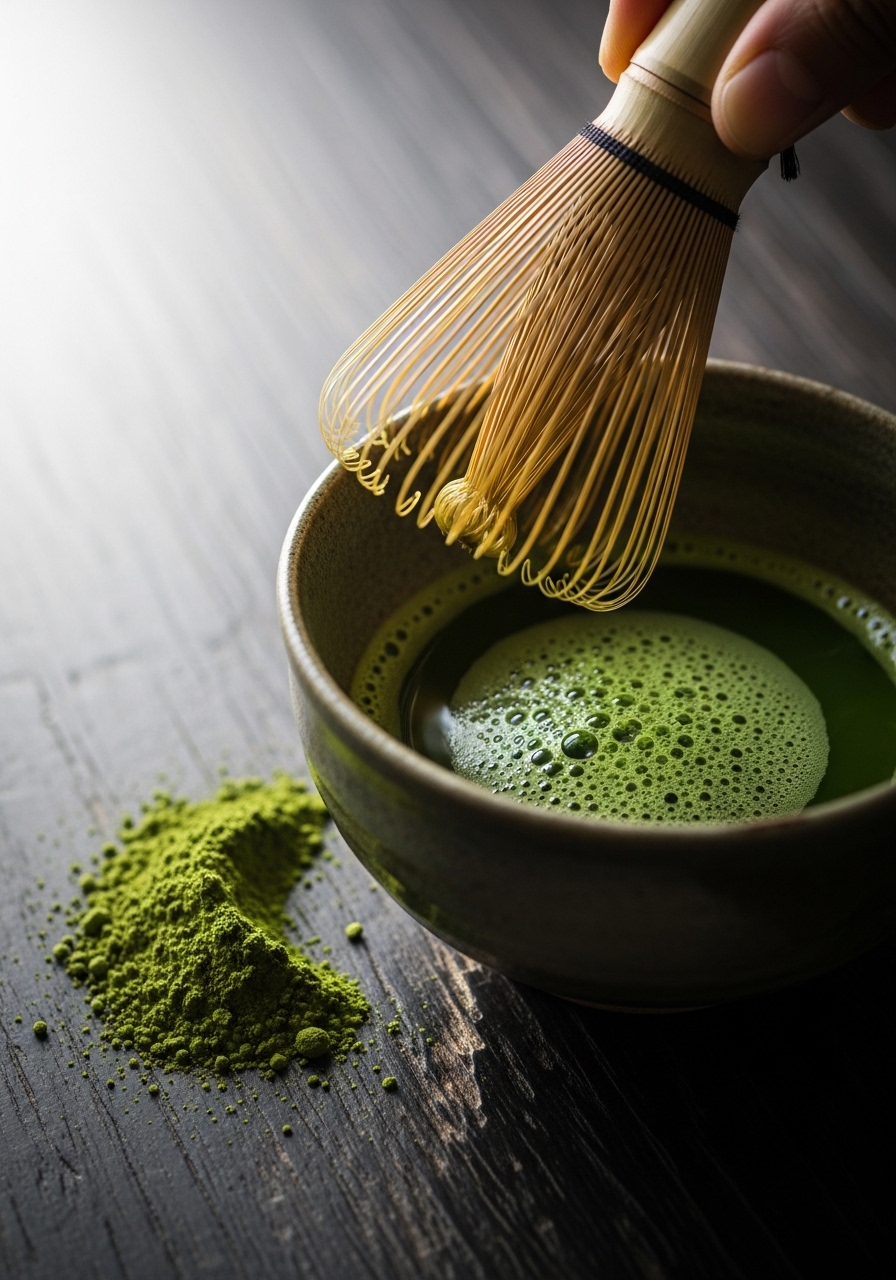
Green tea is the most studied tea for anti-inflammatory effects, and it’s not even close. The key compound is EGCG (epigallocatechin gallate), a catechin that has been shown in hundreds of studies to reduce markers of inflammation. A 2016 meta-analysis in Medicine found that green tea consumption was associated with significant reductions in C-reactive protein (CRP), a key marker of systemic inflammation.
The practical takeaway: 2-3 cups of green tea per day appears to be the sweet spot in most research. Matcha delivers even higher concentrations of EGCG because you’re consuming the whole leaf rather than steeping and discarding it. If you’re not a fan of green tea’s grassy flavor, try a roasted variety (hojicha) or cold-brew it — cold brewing produces a smoother, less bitter cup.
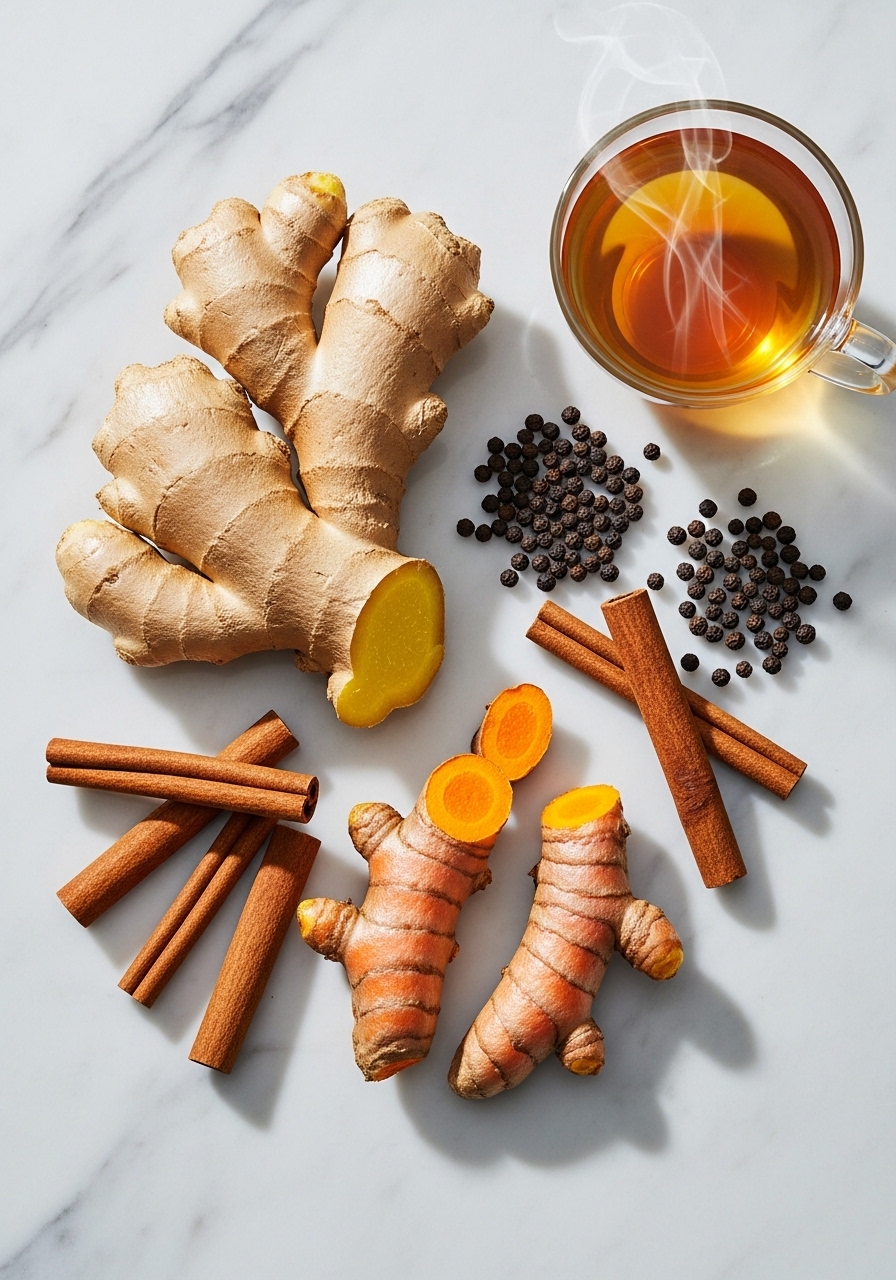
Turmeric tea (golden milk) has become popular for good reason. Curcumin, the active compound in turmeric, is a potent anti-inflammatory that works by inhibiting NF-κB, a molecule that triggers inflammatory gene expression. The catch: curcumin has poor bioavailability on its own. Adding black pepper (which contains piperine) increases absorption by up to 2,000% according to a study in Planta Medica.
My go-to recipe: simmer 1 teaspoon of turmeric powder and a few grinds of black pepper in a cup of water for 10 minutes, then add a splash of milk (or oat milk) and honey. You can also add fresh ginger for extra anti-inflammatory benefit.
Ginger tea contains gingerols and shogaols, compounds that inhibit prostaglandin and leukotriene synthesis — the same inflammatory pathways targeted by NSAIDs. A 2020 systematic review found that ginger supplementation significantly reduced CRP and other inflammatory markers. Fresh ginger tea is more potent than dried — steep sliced fresh ginger for 10-15 minutes for best results.
Chamomile tea contains apigenin and other flavonoids with demonstrated anti-inflammatory effects. It’s less potent than green tea or turmeric for systemic inflammation, but it excels for localized gut inflammation and has the added benefit of promoting relaxation. If inflammation is affecting your sleep (which it often does), chamomile addresses both issues.
Other Teas With Anti-Inflammatory Potential
White tea contains catechins similar to green tea but in slightly different concentrations. Some research suggests white tea may have comparable anti-inflammatory effects with a milder, sweeter flavor profile.
Rosehip tea has shown promise in studies on osteoarthritis, with some research suggesting it can reduce pain and stiffness. The galactolipids in rosehips appear to be responsible for the anti-inflammatory activity.
Rooibos tea contains aspalathin and nothofagin, antioxidants unique to the rooibos plant that have shown anti-inflammatory effects in cell studies. The evidence in humans is still emerging, but rooibos is caffeine-free and pleasant-tasting, making it a good daily option.
Getting the Most From Anti-Inflammatory Teas
- Consistency matters more than quantity. Drinking 2-3 cups daily over weeks and months produces better results than occasional large doses. Anti-inflammatory effects are cumulative.
- Brew properly. Green tea should steep at 160-180°F (not boiling) for 2-3 minutes to maximize catechins without excessive bitterness. Turmeric and ginger need longer steeping or simmering to extract their active compounds.
- Combine strategically. Ginger + turmeric + black pepper is a particularly effective combination. Green tea + lemon increases catechin absorption (vitamin C helps stabilize EGCG).
- Don’t expect miracles overnight. Most clinical studies showing benefits ran for 4-12 weeks. Give any tea regimen at least a month before evaluating whether it’s helping.
If you’re dealing with inflammation-related pain, our guide on teas for menstrual pain covers how some of these same teas help with cramp-related inflammation. For immune system support — which is closely linked to inflammation management — see our piece on immune-boosting teas. And if you’re watching your caffeine intake while focusing on anti-inflammatory benefits, check out how different teas affect sleep.
Frequently Asked Questions
What is the most anti-inflammatory tea?
Green tea (and especially matcha) has the strongest and most extensive research base for anti-inflammatory effects, primarily due to its EGCG content. Turmeric tea is a close second, particularly when combined with black pepper to enhance absorption.
How many cups of green tea per day for inflammation?
Most research suggests 2-3 cups per day provides meaningful anti-inflammatory benefits. More than 5 cups per day may cause side effects from excess caffeine in sensitive individuals.
Can anti-inflammatory teas replace medication?
Tea can complement but should not replace prescribed anti-inflammatory medication without your doctor’s guidance. For mild, general inflammation from lifestyle factors, regular tea consumption may be sufficient. For diagnosed inflammatory conditions, work with your healthcare provider.
Does adding milk to tea reduce its anti-inflammatory benefits?
Some research suggests that casein proteins in dairy milk can bind to catechins in tea, potentially reducing their absorption. If you want to maximize anti-inflammatory benefits from green tea, try drinking it plain or with lemon. This is less of a concern with turmeric or ginger teas.
Anti-inflammatory teas aren’t a replacement for medical treatment, but they’re one of the easiest evidence-based additions you can make to your daily routine. A cup of green tea in the morning and some golden milk in the evening is a pretty pleasant way to manage inflammation.