
For years I drank peppermint tea after dinner, thinking it was helping my digestion. It was actually making my acid reflux worse. It took an annoying amount of trial and error to figure out that the same tea that soothes stomach cramps can simultaneously trigger heartburn. The mechanism is completely logical once you understand it — but nobody explains this upfront.
The relationship between tea and heartburn is more complicated than “tea causes heartburn” or “tea prevents heartburn.” Some teas can trigger it, others are neutral, and a few may actually help. The key is understanding which is which and why.
This article contains affiliate links to teas we recommend. If you buy through them, we may earn a small commission at no extra cost to you. We only link to brands we’d drink ourselves. Full disclosure.
How Tea Can Trigger Heartburn
Heartburn (acid reflux) happens when stomach acid flows back up into the esophagus. The lower esophageal sphincter (LES) is a muscular valve that’s supposed to keep acid in the stomach. When it relaxes inappropriately, acid escapes upward. Several components of tea can contribute:
Caffeine is the primary culprit in regular tea. Caffeine relaxes the LES, making it easier for acid to reflux. It also stimulates stomach acid production. The combination — more acid plus a weaker valve — is a recipe for heartburn. Black tea has the most caffeine (40-70mg per cup), followed by green tea (25-45mg), then white tea (15-30mg).
Tannins in black and green tea can stimulate acid secretion in the stomach. If you already have excess acid or a sensitive stomach lining, this additional stimulation can push you over the heartburn threshold.
Acidity varies by tea type. Fruit-based herbal teas (hibiscus, rosehip, lemon) are naturally acidic and can directly irritate the esophagus. Black tea is mildly acidic. Green tea is close to neutral.
The Worst Teas for Heartburn
Peppermint tea is the biggest surprise offender. While it’s excellent for stomach cramps and bloating, menthol directly relaxes the LES. If your stomach issues involve acid reflux, peppermint can make the burning significantly worse. This is well-documented — gastroenterologists routinely advise GERD patients to avoid peppermint.
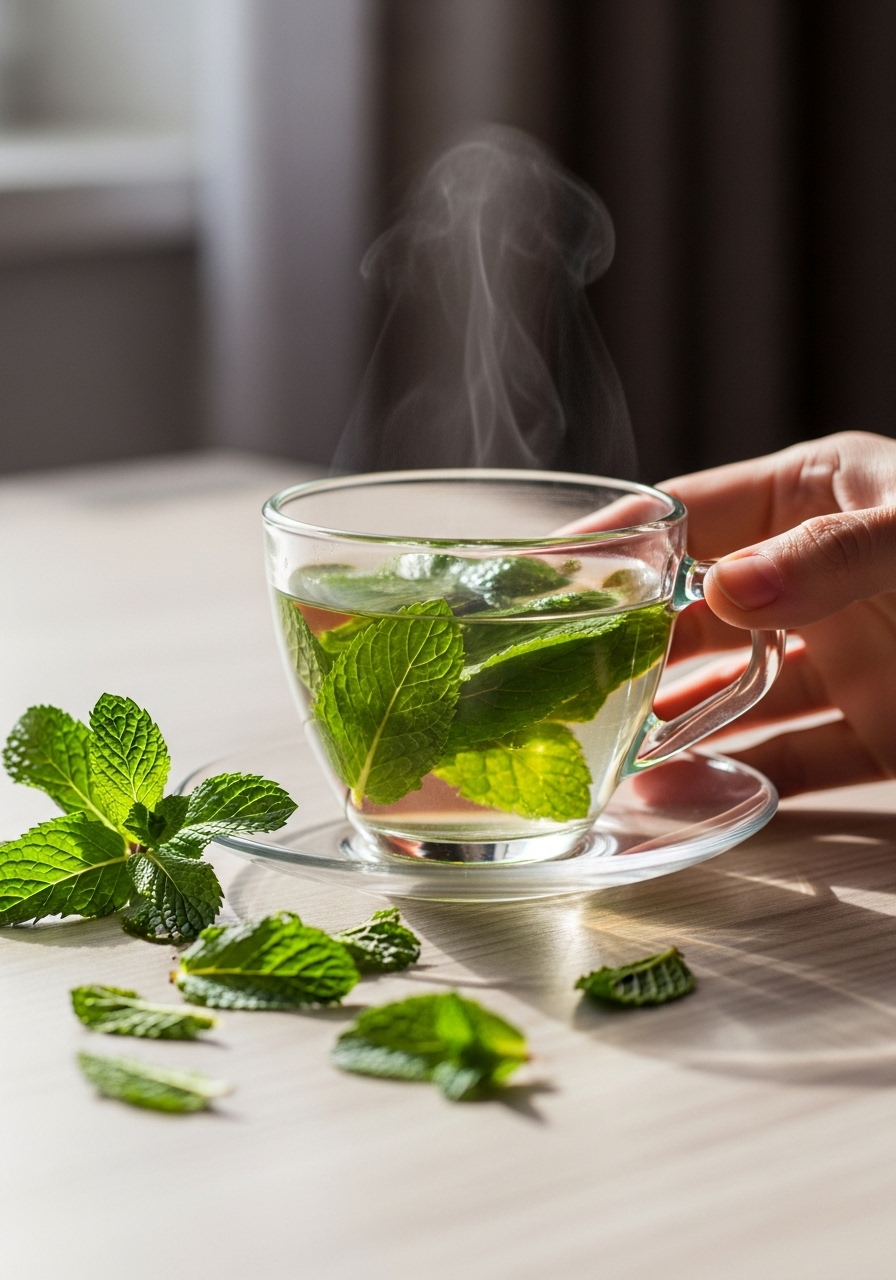
Strong black tea — particularly on an empty stomach — combines high caffeine, high tannins, and mild acidity. If you’re prone to heartburn, a strong cup of English Breakfast on an empty stomach is asking for trouble.
Citrus and hibiscus teas — lemon tea, orange peel blends, and hibiscus are all acidic enough to trigger symptoms in sensitive individuals. Hibiscus tea has a pH around 2.5-3, making it quite acidic.
Spearmint and peppermint blends — any mint-forward herbal tea can relax the LES.
Teas That Are Generally Safe (or Helpful)
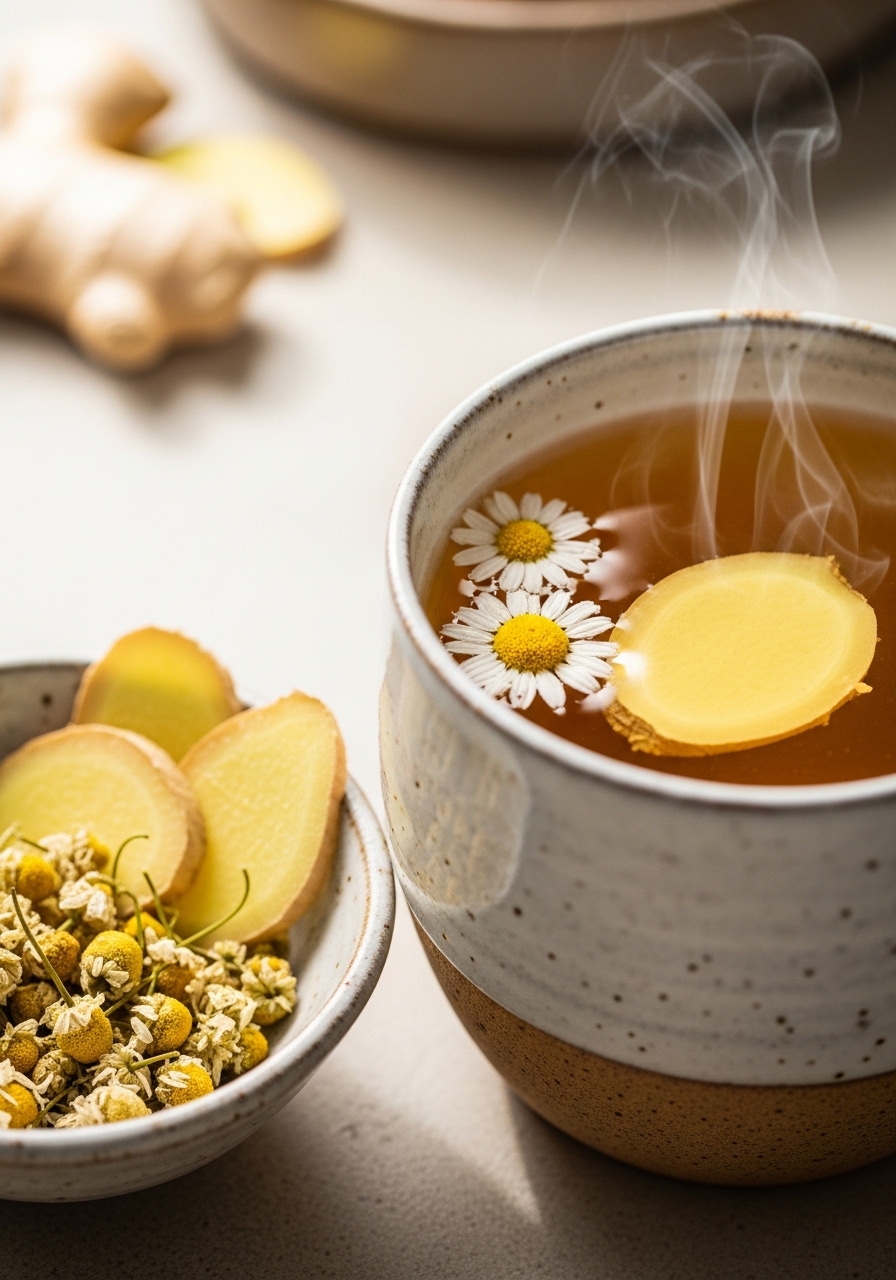
Ginger tea is potentially the best tea for heartburn sufferers. Ginger accelerates gastric emptying, which means food and acid move out of the stomach faster. Less time with a full, acidic stomach means less opportunity for reflux. Some studies suggest ginger may also reduce acid production. Brew it mild rather than strong — very concentrated ginger can be irritating.
Chamomile tea is generally well-tolerated. Its anti-inflammatory properties can soothe an irritated esophagus, and it doesn’t relax the LES the way peppermint does. Caffeine-free, low acidity, and mildly soothing — it’s a safe choice for evening tea when reflux tends to be worst.
Licorice root tea (DGL) has evidence supporting its use for heartburn. Deglycyrrhizinated licorice (DGL) forms a protective coating on the esophageal and stomach lining. Some people find it very effective. Use DGL specifically — regular licorice root in large amounts can cause blood pressure issues.
Practical Tips for Tea Drinkers With Reflux
- Don’t drink tea on an empty stomach. Have something to eat first — even just a few crackers. Food helps buffer stomach acid.
- Choose weaker brews. Shorter steeping = less caffeine and fewer tannins extracted. If you love black tea but it triggers reflux, try steeping for 2-3 minutes instead of 5.
- Avoid lying down after drinking. Wait at least 30 minutes after finishing tea before reclining. This gives gravity time to keep the liquid in your stomach.
- Temperature matters. Very hot drinks can relax the LES. Let your tea cool to a comfortable temperature before drinking.
- Switch to low-caffeine options in the afternoon/evening. White tea, rooibos, chamomile, and ginger are all good options that won’t aggravate nighttime reflux.
- Consider cold-brewed tea. Cold brewing extracts less caffeine and fewer tannins, making it gentler on reflux-prone stomachs.
FAQ
Does green tea cause less heartburn than black tea?
Generally yes, due to lower caffeine and a more neutral pH. But green tea still contains caffeine and tannins, so it can trigger reflux in sensitive individuals. It’s a better option than black tea but not as safe as caffeine-free herbal alternatives.
Can I add milk to tea to prevent heartburn?
Milk can temporarily buffer acid, but dairy also stimulates acid production. The net effect varies by person. Low-fat milk or plant-based alternatives (oat, almond) are less likely to trigger additional acid production than whole milk.
How do I know if tea is causing my heartburn?
Try eliminating tea for a week and see if symptoms improve. Then reintroduce one type at a time. Keep a simple log of what you drink and when symptoms occur. Many people find that specific teas are the trigger — not all tea in general.
Is decaf tea better for heartburn?
Decaf removes most caffeine (one of the main triggers), so yes, it’s typically better tolerated. However, decaf tea still contains tannins and some acids, so it may not be completely reflux-free. Herbal teas (chamomile, ginger, rooibos) are the safest options since they’re naturally caffeine-free and generally low in compounds that trigger reflux.