
The first time I recommended ginger tea to a friend dealing with bad cramps, she was skeptical. “It’s just tea,” she said. Two cycles later, she was buying fresh ginger root in bulk. There’s actually decent clinical research behind several teas for menstrual pain — not miracle cures, but genuine relief that works alongside (not instead of) whatever else you’re doing for pain management.
This article contains affiliate links to teas we recommend. If you buy through them, we may earn a small commission at no extra cost to you. We only link to brands we’d drink ourselves. Full disclosure.
Note: This article is for informational purposes only. If you experience severe menstrual pain that significantly impacts your daily life, please consult a healthcare provider — it could indicate an underlying condition like endometriosis that needs medical attention.
The Teas With the Best Evidence
Ginger tea has the strongest research behind it for menstrual pain. A 2015 systematic review in Pain Medicine analyzed several randomized controlled trials and concluded that ginger was as effective as ibuprofen for reducing menstrual pain intensity. The effective dose in most studies was about 750-2000mg of ginger powder daily, which translates to roughly 2-4 cups of fresh ginger tea.
How it works: ginger inhibits prostaglandin synthesis — the same mechanism as NSAIDs like ibuprofen. Prostaglandins are the compounds that cause uterine contractions and pain during menstruation. Less prostaglandin production means less cramping.
My preferred method: peel and thinly slice about 2 inches of fresh ginger root, steep in just-boiled water for 10-15 minutes, add honey if the spiciness is too much. Fresh ginger is significantly more potent than dried ginger tea bags.
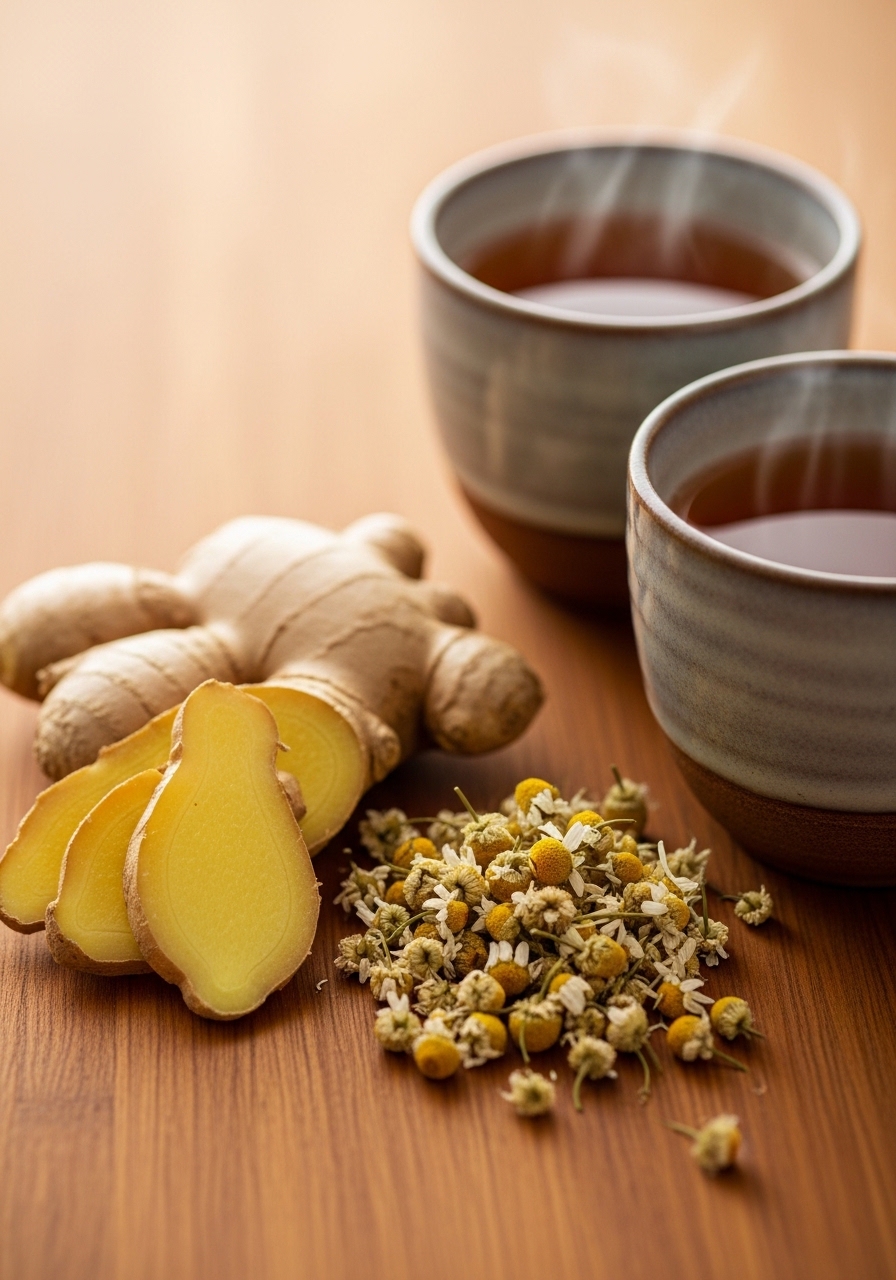
Chamomile tea is another solid option. A study published in the Iranian Journal of Obstetrics, Gynecology and Infertility found that women who drank chamomile tea during the first week of their cycle reported significantly lower pain scores compared to a control group. Chamomile’s mechanism is different from ginger — it works primarily through its antispasmodic and anti-anxiety effects, helping to relax smooth muscle tissue including the uterus.
Peppermint tea may help through its antispasmodic properties. Menthol, the active compound in peppermint, has been shown to relax smooth muscle tissue. While the direct research on peppermint tea and menstrual cramps is thinner than for ginger, its effects on abdominal cramping in general (including IBS studies) are well-documented.
Other Teas Worth Trying
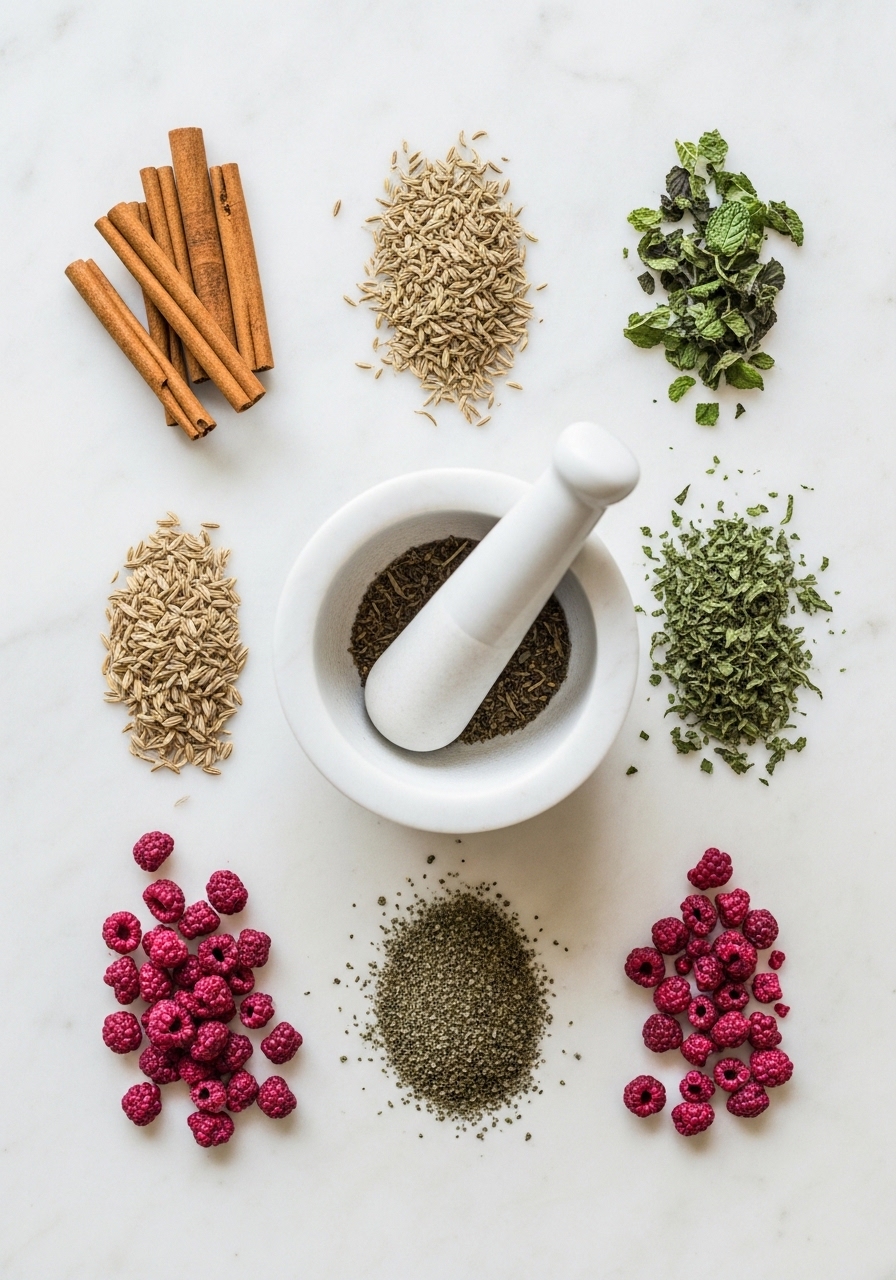
Cinnamon tea: A few small studies have found cinnamon to reduce menstrual pain and bleeding. The evidence isn’t as strong as for ginger, but cinnamon is safe, inexpensive, and makes a warming cup. Steep a cinnamon stick in hot water for 10 minutes.
Fennel tea: Has some clinical evidence supporting its use for menstrual pain. A study in the Journal of Research in Medical Sciences found fennel extract comparable to mefenamic acid (a prescription NSAID) for pain reduction. Fennel tea is easy to make — crush fennel seeds lightly and steep in hot water for 5-7 minutes.
Raspberry leaf tea: Often recommended for uterine health, though the research is more focused on its use during late pregnancy than for menstrual cramps specifically. Some women find it helpful as part of a regular routine throughout their cycle.
How to Get the Most Benefit
- Start before the pain peaks. The research suggests starting ginger tea a day or two before your period begins (if your cycle is predictable) gives better results than waiting until cramps are already severe.
- Fresh ingredients beat tea bags. Particularly for ginger — fresh ginger root contains higher concentrations of gingerols (the active compounds) than most commercial tea bags.
- Combine with heat. A warm cup of tea plus a heating pad is a combination that works on multiple pain pathways simultaneously. The warmth of the tea from the inside and the heat pad on the outside is more effective than either alone.
- Don’t rely on tea alone for severe pain. Tea can be a useful addition to your pain management toolkit, but it’s not a replacement for medical treatment if you need it. If OTC pain relief and lifestyle measures aren’t controlling your symptoms, that’s a conversation for your doctor.
- Try rotation. Ginger in the morning, peppermint in the afternoon, chamomile in the evening. Different mechanisms of action means they can complement each other.
For more on how different teas affect your body, see our guides on anti-inflammatory teas (useful for pain in general) and herbal teas during pregnancy if you’re planning ahead. And if you’re wondering about tea’s effects on digestion during your period, our tea and constipation guide covers that connection.
Frequently Asked Questions
How much ginger tea should I drink for period cramps?
Based on the research, 2-4 cups of fresh ginger tea per day during menstruation appears to be effective. Start with 2 cups and see how you respond. Some people find ginger causes mild heartburn if consumed on an empty stomach — eating something small first can help.
Can tea replace painkillers for period pain?
For mild to moderate cramps, some women find tea (particularly ginger) sufficient on its own. For more severe pain, tea works best as a complement to other treatments rather than a replacement. The research shows ginger is comparable to ibuprofen in effectiveness, but individual responses vary.
When should I start drinking tea for menstrual cramps?
Ideally, start 1-2 days before your period is expected. This allows the anti-inflammatory compounds to build up before peak cramping. If your cycle isn’t predictable, starting at the first sign of cramping still helps.
Is it safe to drink ginger tea every day?
For most people, yes. Moderate daily ginger tea consumption (1-3 cups) is considered safe. People taking blood-thinning medications should consult their doctor first, as ginger has mild anticoagulant properties.
Menstrual cramps are one of those things that tea can genuinely help with — not in a vague “wellness” way, but backed by actual clinical trials. Ginger is the standout performer, chamomile is a solid supporting player, and the rest are worth experimenting with to find what works for your body.