
I tossed tea bags into my compost bin for years before I learned that most of them don’t fully break down. That was a frustrating discovery — especially since “natural” and “biodegradable” are used pretty loosely on tea packaging. The reality is more complicated than most tea brands want you to know.
This article contains affiliate links to teas we recommend. If you buy through them, we may earn a small commission at no extra cost to you. We only link to brands we’d drink ourselves. Full disclosure.
The Problem: Most Tea Bags Contain Plastic
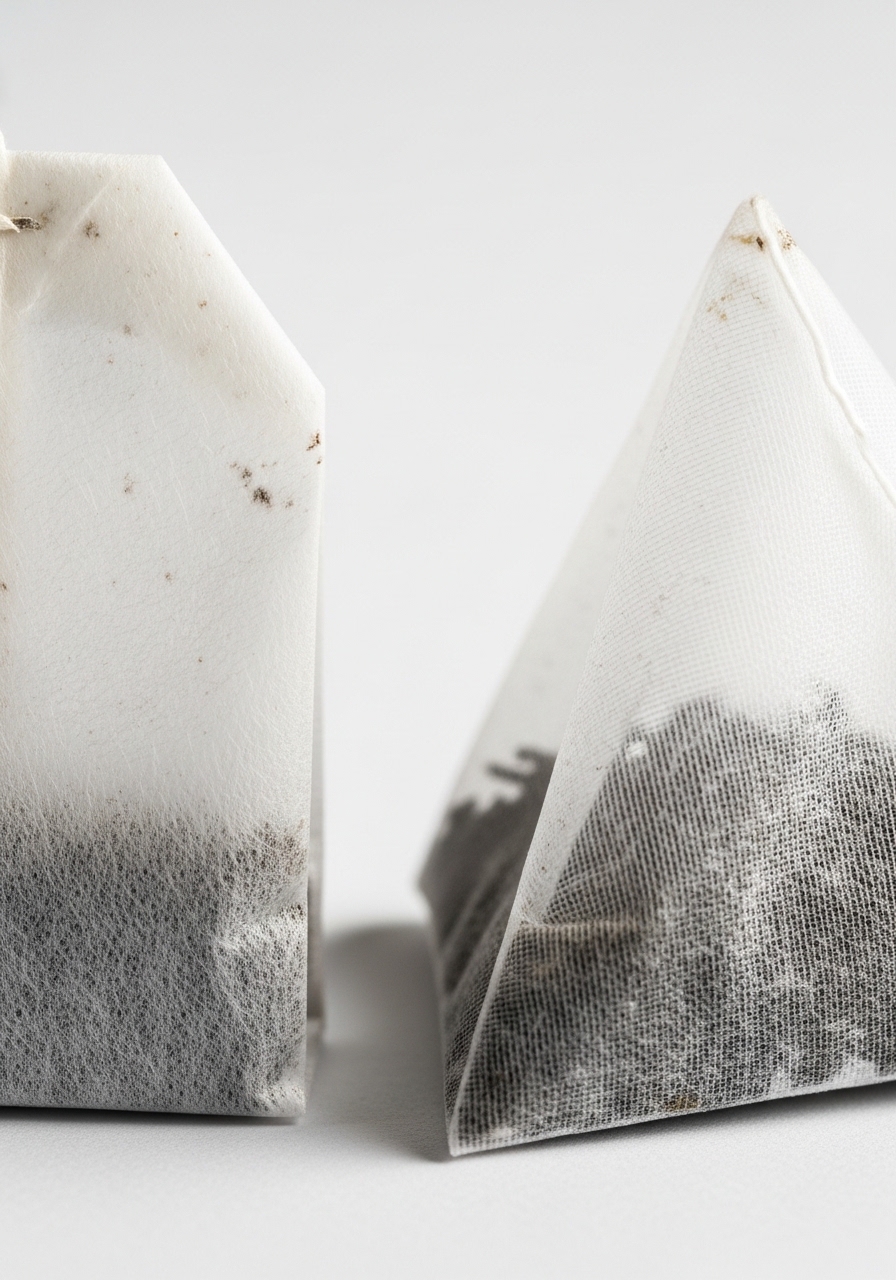
The majority of conventional tea bags are sealed using polypropylene, a plastic that helps the bag hold its shape and stay sealed when exposed to boiling water. This plastic makes up a small percentage of the total bag — typically around 20-30% — but it’s enough to prevent the bag from fully composting.
When you put a standard tea bag in your compost, the paper portion breaks down, but the plastic mesh stays behind as microplastic fragments. A 2019 study published in Environmental Science & Technology found that a single plastic tea bag steeped at brewing temperature can release approximately 11.6 billion microplastic particles into a single cup of tea.
That study specifically looked at premium nylon and PET pyramid bags — the fancy-looking ones that seem like they’d be better. They’re actually worse from a composting standpoint because they’re made almost entirely of plastic.
Which Tea Bags Are Actually Compostable?
Some brands have moved to genuinely compostable tea bags. Here’s how to tell:
Compostable (look for these materials):
- PLA (polylactic acid) — plant-based plastic made from corn starch. Compostable in industrial facilities, very slow in home compost.
- Unbleached paper with no plastic sealant — some brands use a fold-and-crimp method instead of heat-sealing with plastic.
- Soilon/NeoSoilon — a plant-based mesh used by some premium brands. Fully compostable.
Not compostable:
- Nylon pyramid bags — these are pure plastic
- Standard paper bags with polypropylene sealant — the paper breaks down, the plastic doesn’t
- Silken sachets — usually made from PET plastic
Brands that have switched to plastic-free tea bags include Clipper, Pukka, Abel & Cole, and Teapigs. Many major brands (Tetley, PG Tips, Yorkshire Tea) have announced transitions to plant-based materials, but it’s worth checking current packaging since rollouts happen gradually.
What to Do With Your Tea Bags
Here’s the practical approach I’ve settled on:
- If you know the bag is plastic-free: Toss the whole thing in your compost bin. Tear it open first to speed up decomposition.
- If you’re unsure: Tear open the bag, compost the tea leaves, and bin the bag material. The tea leaves themselves are always compostable and make excellent garden additions — they’re slightly acidic, which plants like roses, blueberries, and azaleas appreciate.
- Pyramid and silken bags: These go in the trash, not the compost. Compost the loose tea inside if you can be bothered to open them.
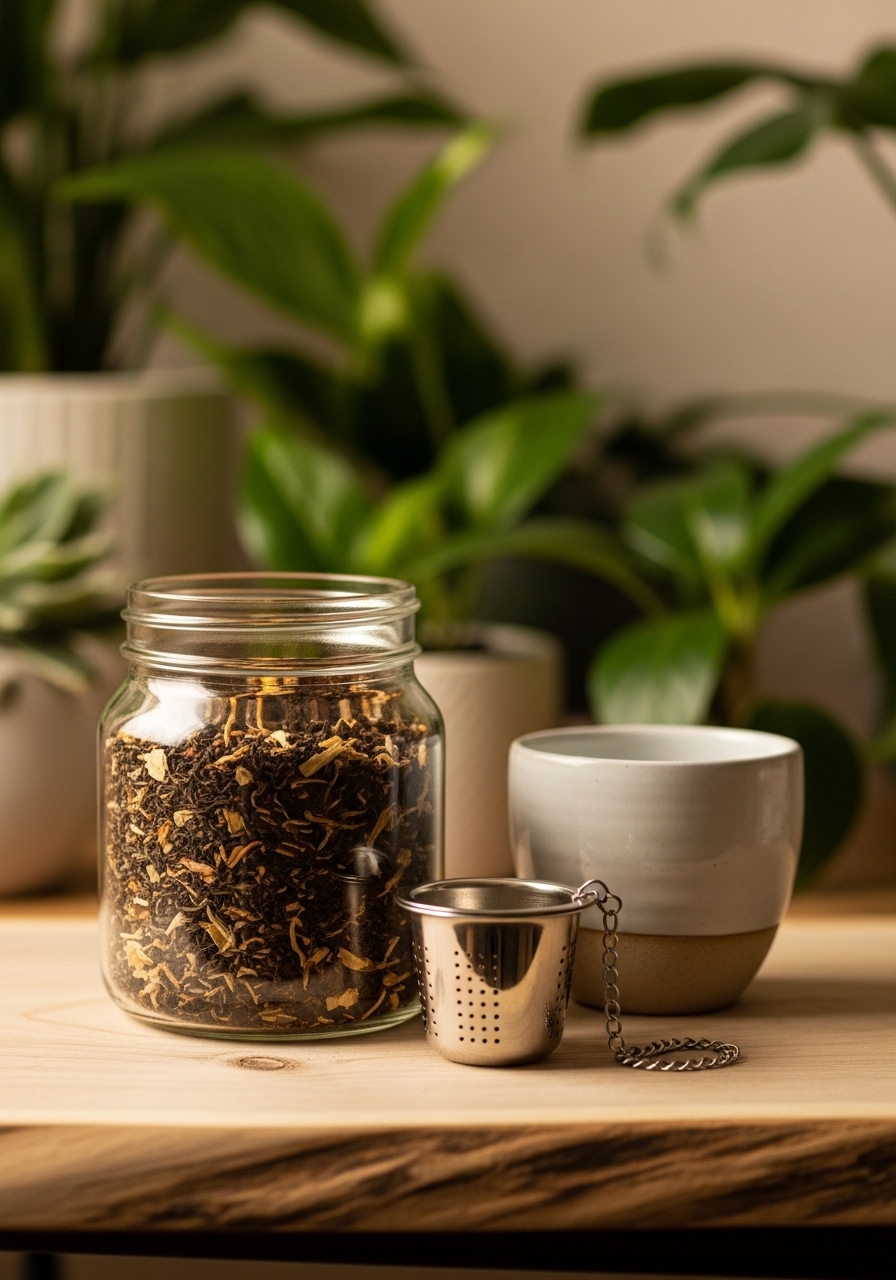
- Consider switching to loose leaf: A metal infuser or reusable cloth tea bag eliminates the waste question entirely. The tea usually tastes better too, since leaves have more room to expand.
The Bigger Picture: Tea’s Environmental Footprint
Tea bags are just one piece of the sustainability puzzle. The overall environmental impact of your tea also depends on how it was grown, processed, and shipped. Organic tea avoids synthetic pesticides, and Rainforest Alliance or Fairtrade certifications add social sustainability standards.
But honestly, switching from plastic tea bags to loose leaf or verified compostable bags is probably the single easiest change you can make. It’s a small thing that adds up — the UK alone uses about 36 billion tea bags per year, and if even a fraction of that plastic ends up in landfill or compost where it doesn’t belong, that’s a meaningful amount of microplastic.
If you’re interested in exploring different tea types beyond the standard tea bag, our guides on traditional oolong tea preparation and blooming tea are both naturally loose-leaf and zero-waste. And for understanding how tea affects your body, check out our piece on tea and detoxification.
Frequently Asked Questions
Are tea bags compostable in home compost?
Only if they’re made from unbleached paper without plastic sealant, or from fully plant-based materials like Soilon. PLA bags (corn starch-based) technically need industrial composting temperatures to break down properly and may not decompose in a home bin.
Do tea bags release microplastics?
Standard tea bags sealed with polypropylene and nylon/PET pyramid bags can release microplastics when steeped in hot water. Paper bags with plastic sealant release fewer particles than full-plastic bags, but the plastic is still present.
Is loose leaf tea better for the environment?
Generally yes. Loose leaf tea eliminates the bag waste entirely, and when purchased in bulk or in recyclable packaging, it produces significantly less waste per cup than bagged tea.
Can I put used tea leaves directly in my garden?
Yes. Used tea leaves (removed from the bag) are great for compost or can be mixed directly into garden soil. They add nitrogen, improve soil structure, and the mild acidity benefits acid-loving plants. Just avoid piling them too thick, as they can form a mold-prone mat.
The bottom line: check your tea bag packaging, compost what you can, and consider making the switch to loose leaf if the waste bothers you. Your compost bin — and your tea — will be better for it.