
I’ll be upfront: if you’re expecting a magic weight loss tea that burns fat while you sit on the couch, this isn’t that article. Tea can provide a modest metabolic boost and support weight management as part of a broader strategy — but the research shows realistic, not miraculous, effects. The timing of your tea can maximize those benefits, though.
What the Research Actually Says About Tea and Weight Loss
The best-studied teas for weight management are green tea and oolong tea. Here’s what the evidence shows:
Green tea contains caffeine and EGCG, which work together to slightly increase thermogenesis (calorie burning) and fat oxidation. A meta-analysis in the International Journal of Obesity found that green tea catechins combined with caffeine increased energy expenditure by about 80-100 calories per day. That’s roughly the equivalent of walking for 15 minutes — meaningful over time, but not a shortcut.
Oolong tea may be even more effective for fat metabolism. A 2020 study published in Nutrients found that oolong tea increased fat burning by about 20% compared to a placebo, even during sleep. The partially oxidized nature of oolong tea gives it a unique catechin profile that appears to enhance fat oxidation independent of caffeine.
Black tea has some evidence for altering gut microbiota in ways that may support weight management, though the research is less extensive than for green and oolong teas.
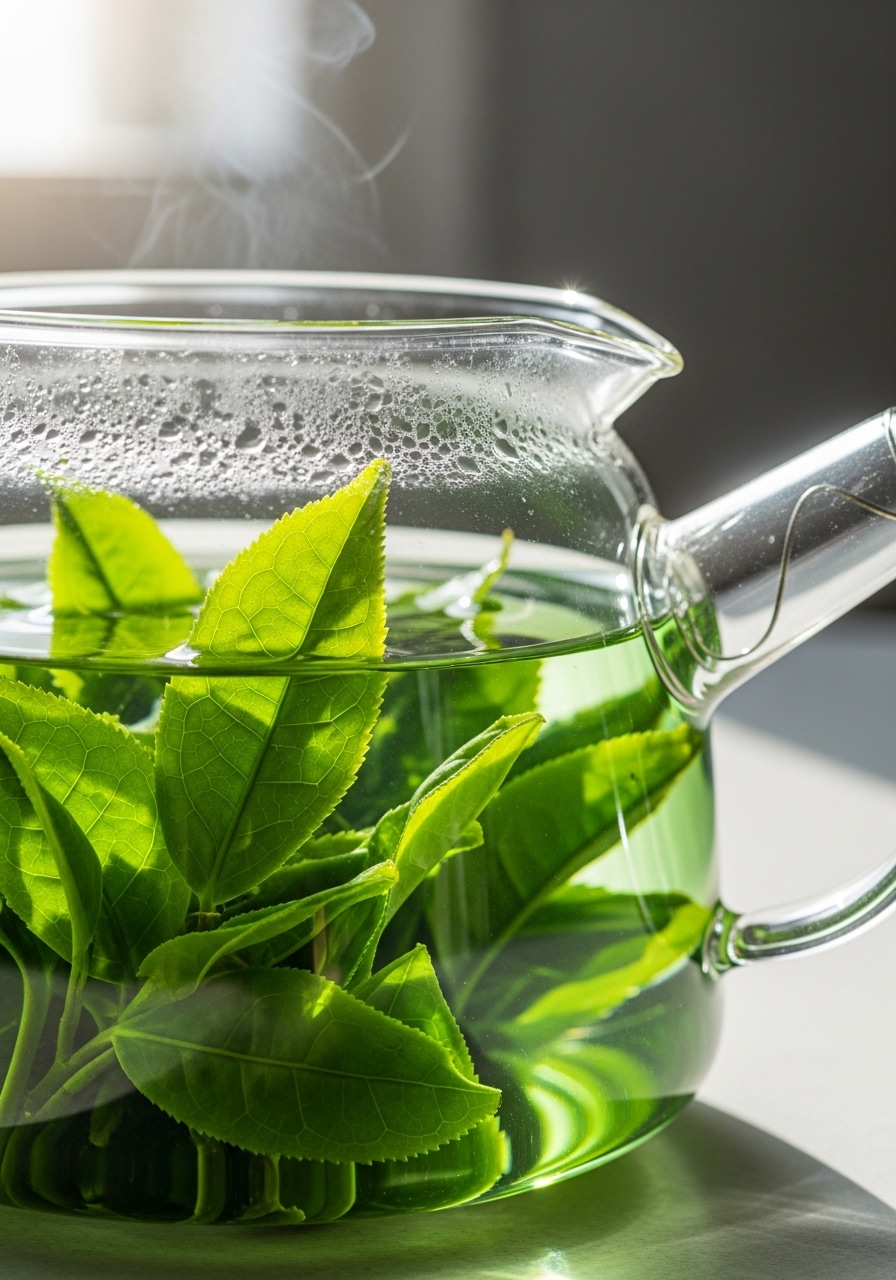
When Timing Matters
Based on the research, here are the most strategic times to drink tea for weight management:
Morning (best time for metabolism boost): Drinking green tea or oolong tea in the morning takes advantage of your body’s natural cortisol peak, which is already elevating your metabolism. The caffeine and catechins amplify this effect. Having tea 30-60 minutes after breakfast seems to be optimal — it avoids the potential for nausea on an empty stomach while maximizing catechin absorption.
Before exercise: Green tea consumed 30-60 minutes before a workout has been shown to increase fat oxidation during exercise. A study in the American Journal of Clinical Nutrition found that green tea extract before moderate-intensity exercise increased fat burning by 17%. If you exercise in the morning, your morning tea can serve double duty.
Between meals: Drinking tea between meals can help manage appetite. Tea provides flavor and warmth without calories (assuming you skip the sugar and cream), which can reduce the urge to snack. The caffeine also provides a mild appetite-suppressant effect.
After meals: Some evidence suggests that tea polyphenols can reduce the absorption of certain fats from food. Oolong tea in particular has been studied for this effect. Drinking tea 30 minutes after a meal may support this mechanism without interfering with nutrient absorption.

What Won’t Help
- “Detox” teas marketed for weight loss — Many contain senna (a laxative) which causes water loss, not fat loss. This can lead to dehydration and electrolyte imbalances. See our detox tea guide for more on this.
- Adding sugar, honey, or cream — The 80-100 calorie metabolic boost from green tea is easily cancelled out by adding caloric ingredients to your cup.
- Drinking tea right before bed — The caffeine in green and oolong tea can disrupt sleep, and poor sleep is strongly associated with weight gain. Check our tea and sleep guide for timing recommendations.
A Realistic Tea Schedule for Weight Management
Here’s what I’ve settled on based on the research:
- Morning: Green tea or oolong, 30-60 minutes after breakfast
- Pre-workout: Green tea, 30-60 minutes before exercise (if exercising later in the day)
- Afternoon: Oolong or green tea between lunch and dinner
- Evening: Switch to caffeine-free herbal tea (peppermint or rooibos) to protect sleep
Total: 2-4 cups of caffeinated tea per day, with all caffeinated options consumed before mid-afternoon. This aligns with the amounts used in most clinical studies and keeps caffeine intake reasonable.
If you’re curious about how different teas affect your body beyond weight management, our anti-inflammatory teas guide covers the broader health benefits, and how to brew oolong traditionally can help you get more from this particular tea.
Frequently Asked Questions
Does green tea burn belly fat specifically?
Tea can’t target fat loss in specific body areas — that’s not how metabolism works. Green tea increases overall fat oxidation modestly. Where your body loses fat is determined by genetics and hormones, not by what you drink.
How many cups of green tea per day for weight loss?
Most studies showing positive effects used 3-5 cups per day or equivalent catechin doses (270-1200mg EGCG). 3 cups is a good starting point — it provides a meaningful catechin dose without excessive caffeine.
Is matcha better than regular green tea for weight loss?
Matcha delivers higher concentrations of catechins because you consume the whole leaf. One cup of matcha may provide as much EGCG as 2-3 cups of brewed green tea. The potential metabolic benefit may be proportionally higher, though head-to-head weight loss studies are limited.
Can I drink tea on an empty stomach for weight loss?
Some people tolerate it fine, but green tea on an empty stomach can cause nausea or stomach discomfort due to its tannin content. If this bothers you, drink tea after a small meal or snack — the metabolic benefits are similar either way.
Tea is a helpful tool for weight management, not a magic solution. The 80-100 extra calories burned daily from green tea compounds add up over months — about 3-4 pounds per year if everything else stays equal. Pair it with a balanced diet and regular movement, and it becomes a meaningful piece of the puzzle.